Bats of Ontario’s Cottage Country
Bats are one of the most misunderstood, yet essential, groups of wildlife in Ontario. As the province's only flying mammals,
they play a critical role in maintaining healthy ecosystems, quietly working each night to control insect populations
A Remarkable Diversity
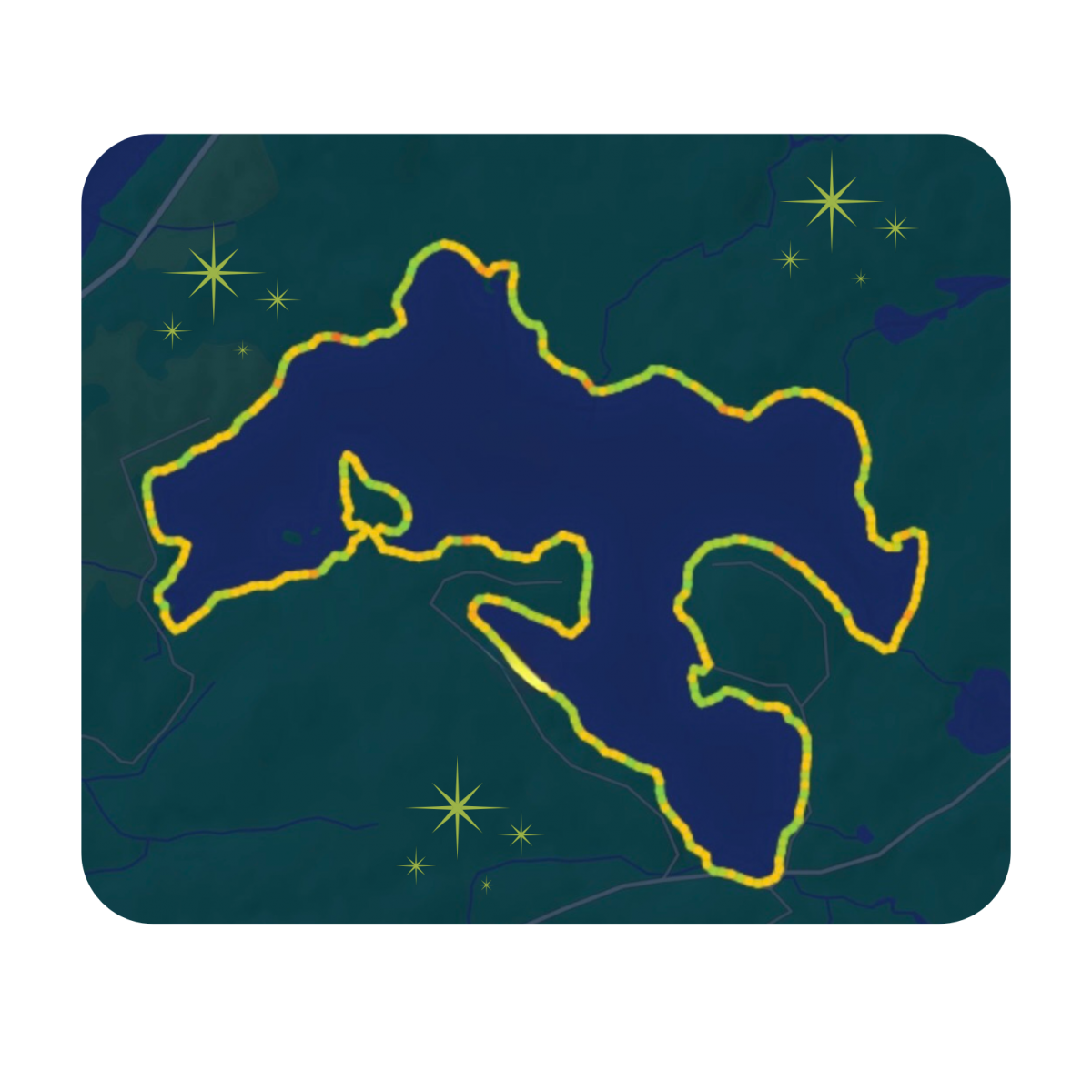
Ontario is home to eight species of bats, all of which have been recorded in The Land Between, a region now recognized as Ontario’s "Bat Capital."
Recent surveys conducted in 2024 and 2025, in partnership with the Toronto Zoo’s Native Bat Conservation Program and local volunteers, confirmed the presence of all eight species, including the rare tri-coloured bat and eastern small-footed myotis. This finding is especially significant. Bat populations across North America have declined dramatically, by as much as 90-99% in some regions, making The Land Between one of the last strongholds for bat diversity in Ontario.
A Species Worth Protecting
Bats are a vital part of Ontario’s natural heritage. Their presence signals a healthy ecosystem, and their loss would have ripple effects across forests, wetlands and even human communities.
The discovery that regions like The Land Between still support all eight species is encouraging, but it also highlights how fragile these populations have become elsewhere. By understanding bats and taking simple steps to coexist with them, residents and cottagers can help ensure these remarkable animals continue to thrive in Ontario’s night skies for generations to come.
The discovery that regions like The Land Between still support all eight species is encouraging, but it also highlights how fragile these populations have become elsewhere. By understanding bats and taking simple steps to coexist with them, residents and cottagers can help ensure these remarkable animals continue to thrive in Ontario’s night skies for generations to come.
SPECIES AT RISK
Five of Ontario’s bat species are currently listed as threatened or endangered including:
- Little brown bat (little brown myotis)
- Northern myotis
- Eastern small-footed myotis
- Tri-coloured bat
- Big brown bat populations are also under pressure
NATURE’S PEST CONTROL
Despite their small size, bats have an outsized impact on ecosystems. A single little brown bat can consume up to 5,000 mosquitoes in one night, along with moths, beetles and other agricultural or nuisance insects. In areas like Muskoka, where lakes and wetlands create ideal mosquito habitat, bats provide natural, chemical-free pest control. Their nightly feeding helps reduce the need for pesticides and contributes to a more balanced ecosystem.
WHERE BATS LIVE
Bats use different habitats depending on the season:
- Summer: They roost in trees, under bark, in bat boxes and often in human structures such as attics or barns.
- Winter: They hibernate in caves, rock crevices or abandoned mines, where temperatures remain stable.
ARE BATS DANGEROUS?
Bats are generally shy and avoid human contact. However, like many wild mammals, they can carry rabies, though the risk is low.
Important safety tips:
Important safety tips:
- Never handle a bat
- Avoid contact with grounded or injured bats
- If a bat is found in a living space and there’s potential contact, contact the Simcoe Muskoka District Health Unit/Rabies
RESOURCES
- Introduction to Ontario’s Bats
- Going Batty in TLB
- How To Help Bats
- Let’s Talk About Bats: Friends Or Foes?
- 5 Easy Ways to Make Your Backyard Bat-friendly
- Batty About Bats
- Hinterland Who’s Who: Bats
- Hinterland Who’s Who: Little Brown Bat
- People living in Muskoka can do a lot to help save threatened bats
- BATS: An Important Part of the Ecosystem
- Locals can help bats suffering with white-nose syndrome
Living With Bats
Because bats sometimes roost in buildings, conflicts can occur, particularly in cottages and homes near water or forest.
IF A BAT GETS INSIDE YOUR HOME
- Stay calm and confine it to one room
- Turn off the lights
- Open a window or door to allow it to leave
- Use one-way exclusion devices (often called "bat chutes") to allow bats to exit safely
- Seal entry points only after bats have left
Avoid sealing entry points during summer, when flightless young may be present. Trapping them inside can lead to unnecessary mortality and odour issues.
YOU CAN HELP BATS THRIVE
With bat populations in decline, homeowners can play an important role in conservation.
Simple ways to help:
Simple ways to help:
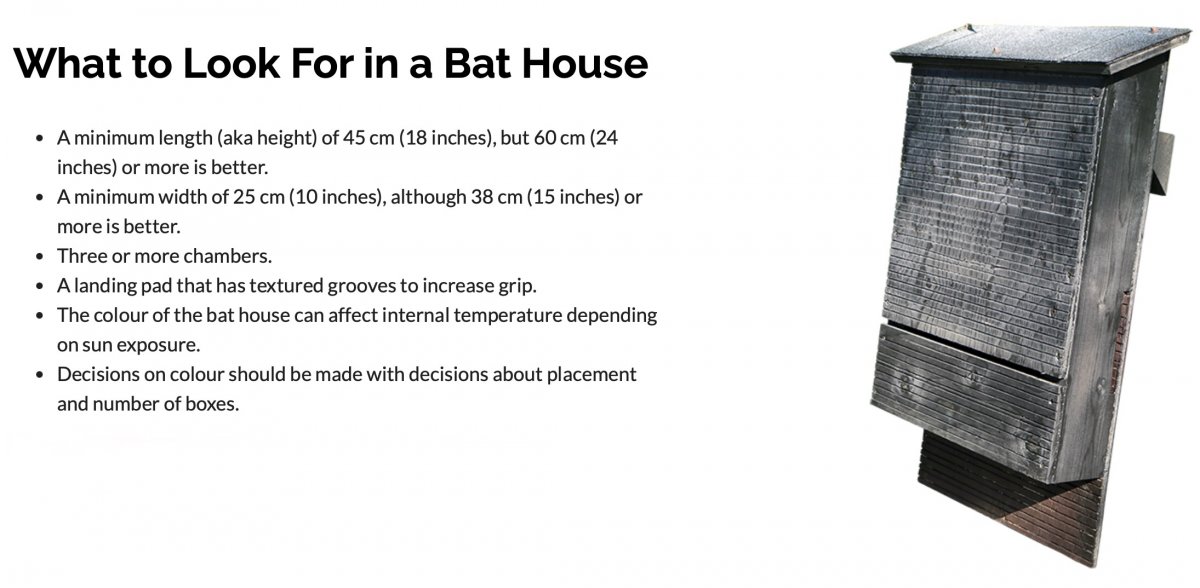
- Install a bat box in spring to provide safe roosting habitat
- Preserve mature trees and natural shoreline areas
- Reduce pesticide use to maintain insect food sources
- Support local conservation efforts and citizen science monitoring
If you have a bat house, you can provide valuable monitoring insight that can be used for further research and conservation - please register and take part in the
Report individual bats by adding an observation using the free iNaturalist app or online at iNaturalist.ca.
These could be bats you spot while they’re roosting (like in a patio umbrella, a bat box, a tree or side of a building) or flying by in the evening (if you can get a photo!).
Do you know of a building or bat house where bats are living?
Researchers are asking for the participation of citizens to locate bat colonies and count the number of bats living in them. These important pieces of information will help them monitor and develop strategies to conserve these important animals.
Researchers are asking for the participation of citizens to locate bat colonies and count the number of bats living in them. These important pieces of information will help them monitor and develop strategies to conserve these important animals.
Batwatch.ca is the central, bilingual portal designed for reporting, registering and monitoring bat colonies (including in bat houses) across Canada to understand population trends.
Found sick or dead bats? Contact the Canadian Wildlife Health Cooperative: