A Watershed Perspective
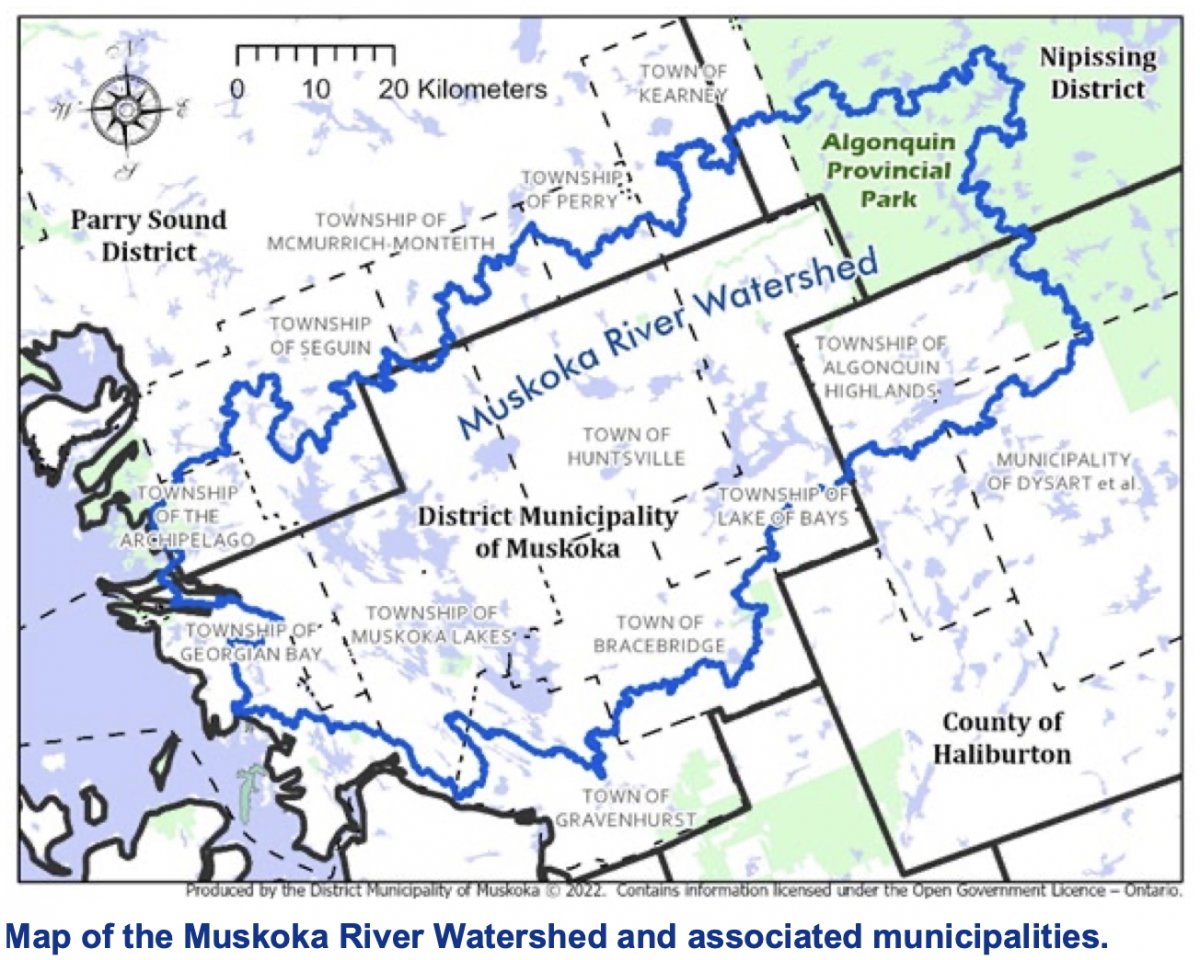
Did you know? The District Municipality of Muskoka was founded in 1970 to address concerns related to protecting water resources and the need for watershed planning.
The Muskoka Water Strategy was later adopted in 2003 with the purpose of protecting Muskoka’s water resources by minimizing human impact, supporting both environmental and human health, and preserving the region’s quality of life for those who reside, work, play and visit Muskoka.
All lakes exist within a watershed and are connected. Maintaining Echo Lake's long-term health and vitality while contributing to the health of our watershed ecosystem is easily achievable through collective action such as lake stewardship activities. Contact the Echo Lake Association if you would like to help!
Keep Echo Lake Healthy
Keeping a lake healthy in Muskoka involves a combination of respecting natural shorelines, managing personal property to reduce nutrient runoff, and following responsible boating practices.
Inspect and Pump Regularly: Have your septic tank inspected by a qualified professional and pumped out at least every three to five years.
Use Phosphate-Free Products: Use phosphate-free soaps, detergents, and cleaners, as phosphorus from these products can enter the lake through the septic system.
Be Mindful of the Leaching Bed: Do not plant trees or shrubs in the leaching bed area, as their roots can clog pipes. Avoid driving or using snowmobiles over the bed.
WATERFRONT PROPERTY ACTIONS
Maintain a Natural Shoreline: Preserve and restore the natural vegetation along the water's edge to create a buffer zone. This "ribbon of life" filters runoff, prevents erosion, and provides vital habitat for wildlife.
Avoid creating artificial sand beaches or hardening shorelines with retaining walls, which can disturb ecosystems and increase erosion.
Minimize Runoff: Reduce the amount of hard surfaces (e.g., paved driveways, concrete paths) on your property. Direct runoff from eavestroughs and driveways towards vegetated areas or rain gardens where water can soak into the ground before reaching the lake.
Avoid Fertilizers and Pesticides: Do not use chemical or natural fertilizers near the lake, as they contain phosphorus which fuels excessive algae, plant growth and harm beneficial insects, wildlife and birds. Opt for native plants that are more resistant to pests and diseases and require less maintenance.
Manage Yard Waste: Keep grass clippings, leaves, and other organic matter away from the lake and storm drains. Compost them far from the water to prevent nutrient-rich runoff.
Protect wildlife: Fish lead-free, use barbless hooks, do not leave fishing line behind.
Do not use poison to kill rodents - Pets, owls, ravens and hawks can eat poisoned mice and get sick or die. Poisons don't address the root cause, and new rodents just move in, leading to an ongoing cycle.
Avoid road salt: Muskoka recently became the first Ontario jurisdiction to pass a resolution declaring the need for provincial action on salt pollution from road salt. Classed as toxic under the Canadian Environmental Protection Act, road salt causes harm to aquatic life, contaminates drinking water and damages infrastructure.
SEPTIC SYSTEM CARE
Inspect and Pump Regularly: Have your septic tank inspected by a qualified professional and pumped out at least every three to five years.
Use Phosphate-Free Products: Use phosphate-free soaps, detergents, and cleaners, as phosphorus from these products can enter the lake through the septic system.
Be Mindful of the Leaching Bed: Do not plant trees or shrubs in the leaching bed area, as their roots can clog pipes. Avoid driving or using snowmobiles over the bed.
Don't use antibacterial soap: Your septic system needs bacteria to break down solids. Antibacterial soap also disrupts aquatic ecosystems, promoting bacterial resistance, and harming fish and beneficial microorganisms.
Protect The Environment - Protect Your Investment
Here is a fantastic booklet created by the Township of McKellar’s Lake Stewardship and Environmental Committee which tackles topics such as "Toxins In Your Tackle Box", "Living With The Animals As Neighbours", "Dark Skies" and much more!
Practice Responsible Boating: Be aware of speed limits near the shore (10 km/h within 30 meters) to minimize wake, which causes shoreline erosion and damages docks.
Keep Boats Maintained: Ensure your boat is in good repair to prevent oil and gasoline spills into the water.
Clean, Dry and Drain: Whether you are riding an ATV, dirt bike or boat, we all have a role to play in stopping the spread of invasive species throughout waterways, trails and forests.
Under the Invasive Species Act, 2015, boaters must follow the Clean, Drain, Dry method for all watercraft (including canoes, kayaks) and gear when moving between water bodies. This means cleaning off plants/animals/mud, draining all water (bilge, livewells), and drying thoroughly (or disinfecting) before transporting or entering a new lake, with violations leading to penalties.
Respect Aquatic Life: Leave fallen trees and aquatic vegetation (water weeds) alone, as they provide critical habitat and cover for fish and other aquatic life.
Don't bathe in the lake: While soap may be labeled as biodegradable, eco-friendly, natural, or non-toxic, it still leaves behind ingredients that can degrade water quality and impact aquatic life. For instance, detergents in soap can break the surface tension of water which makes it difficult for water striders and other aquatic insects to move along the water’s surface. It can also reduce oxygen levels in the lake, impacting fish.
Do not wash ATVs in the lake: It is prohibited and harmful because it introduces pollutants like oil, grease, and chemicals into the water and causes significant damage to aquatic habitats.