THE INSECTS (AND OTHERS) THAT KEEP OUR ECOSYSTEMS THRIVING
While bees are the most well-known pollinators, many other insects, and even some birds, play an important role.
Native Bees
Ontario is home to hundreds of native bee species, most of which are solitary and non-aggressive. Common types include:
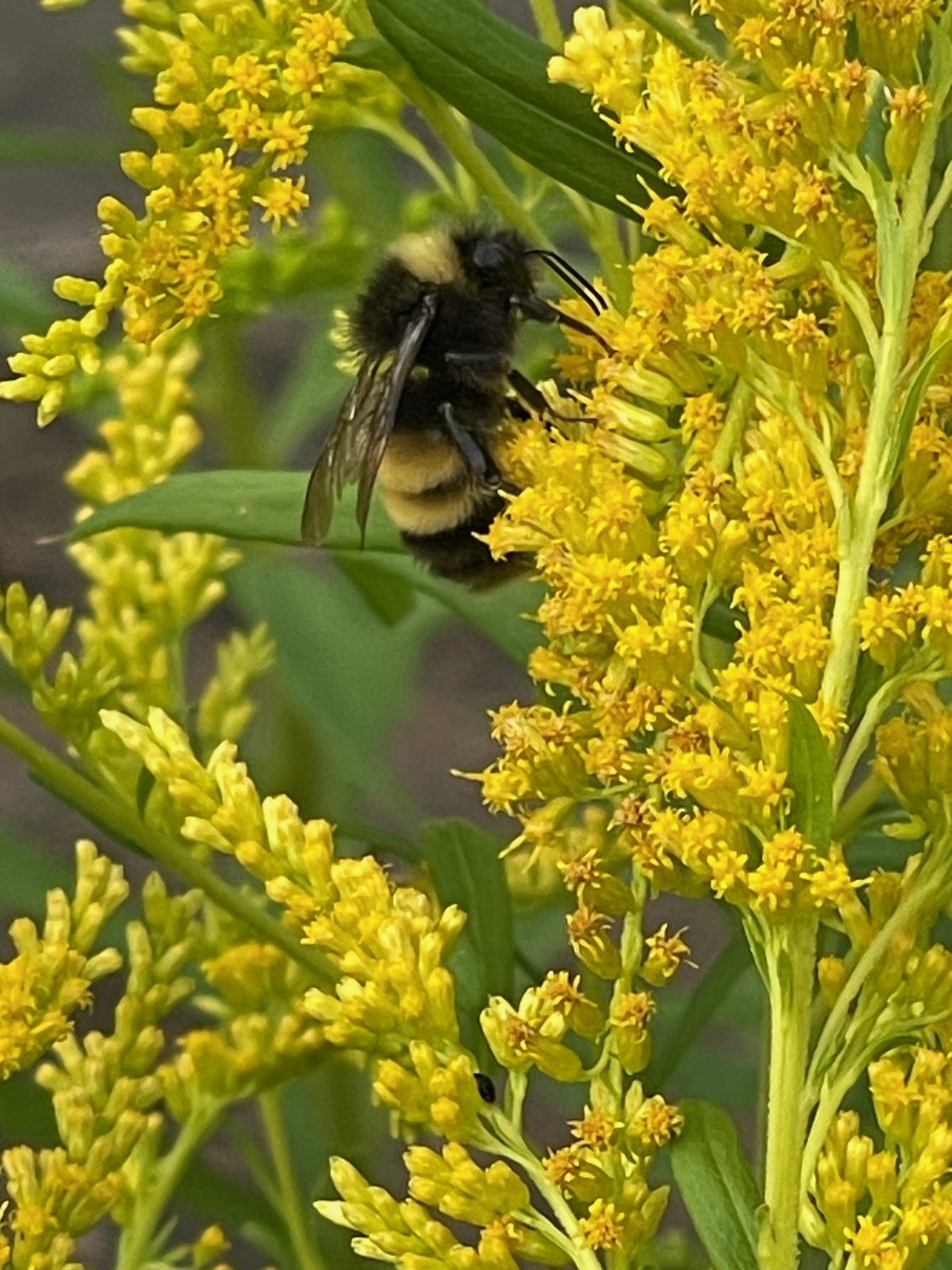
- Bumble bees
- Mason bees
- Leafcutter bees
- Mining (ground-nesting) bees
- Nest in soil, hollow stems, or wood cavities
- Are active for only part of the growing season
- Rarely sting unless handled
Butterflies
Butterflies feed on nectar and help pollinate flowers as they move between plants.Important species include:
- Monarch butterflies (which rely on milkweed for reproduction)
- Swallowtails
- Painted ladies
- Nectar plants for adults
- Host plants where caterpillars can feed
WHY POLLINATORS MATTER
Pollinators support:
- Wildflowers and native plants
- Birds and wildlife that depend on seeds and insects
- Food crops and fruit production
- Healthy forests, wetlands, and shorelines
Pollinators Are in Decline
Many species face threats from:
- Habitat loss
- Pesticide use
- Climate change
- Loss of native plants
- Overly tidy landscapes
Moths
Many moths pollinate flowers at night. They:
- Support nighttime plant pollination
- Serve as a critical food source for birds and other wildlife
- Overwinter in leaf litter, soil, or plant stems
Flies and Beetles
These often-overlooked insects are valuable pollinators, carrying out about one-third of pollination services, making them very important to our food and ecosystems.
- Hoverflies (flowerflies) resemble small bees and are excellent pollinators
- Many species of beetles pollinate early or low-growing flowers
- Some flies also help control garden pests
Hummingbirds
While not insects, hummingbirds are important pollinators for certain tubular flowers such as bee balm and cardinal flower.
EVERYONE CAN HELP
Whether you garden, maintain a shoreline, or simply leave a patch of yard natural, you can support pollinators.
Small changes across many properties create the connected habitat these species need to survive.