Rethinking Mosquito Control: Protecting Health Without Harming Nature
Muskoka's forests, rivers and lakes are as much an attractant to mosquitoes and blackflies as they are to the rest of us 🤷🏻♀️
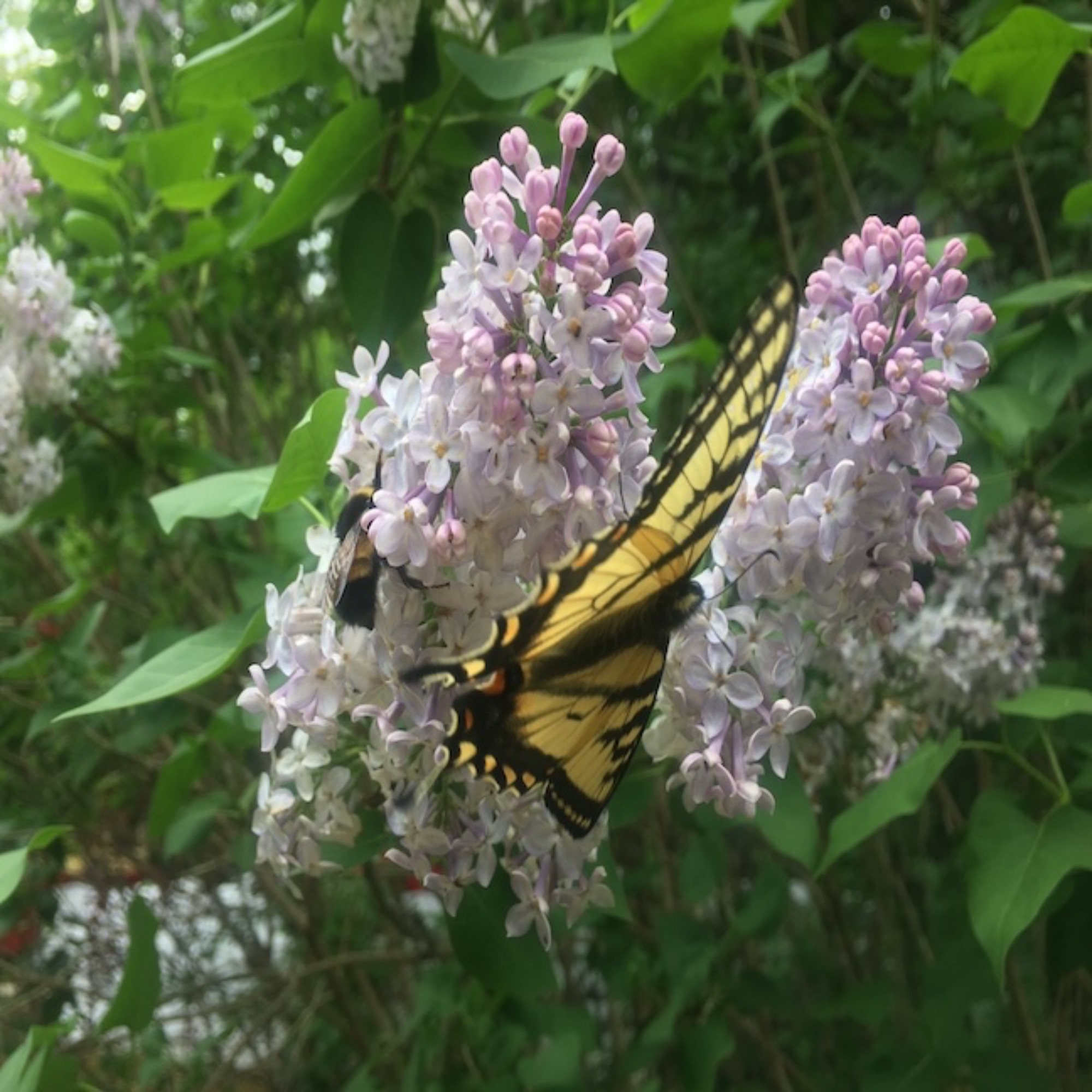
Have you ever noticed that public health advice about mosquito-borne illnesses rarely recommends spraying your yard? That’s because widespread pesticide use can create more problems than it solves - for both ecosystems and long-term environmental health. In fact, concerns about pesticides are growing. In December 2023, the Government of Canada reclassified the monarch butterfly as endangered under the
Species at Risk Act, citing habitat loss, climate change, and pesticide use as major factors. Even small amounts of pesticides can disrupt the life cycles of butterflies and other pollinators, affecting their ability to reproduce, migrate, and survive.
Why Spraying Isn’t the Solution
Mosquito and black fly sprays, especially those containing pyrethroids, are broad-spectrum insecticides. This means they don’t just kill mosquitoes; they also kill beneficial species.
Why Spraying Isn’t the Solution
Mosquito and black fly sprays, especially those containing pyrethroids, are broad-spectrum insecticides. This means they don’t just kill mosquitoes; they also kill beneficial species.
Key environmental impacts include:
- Non-target insect loss: Bees, butterflies, ladybugs, and other helpful insects are killed on contact, reducing biodiversity.
- Aquatic toxicity: Spray drift and runoff can poison fish, tadpoles, and other aquatic life, with chemicals often accumulating in sediments.
- Pollination disruption: Fewer pollinators means weaker plant reproduction and less resilient ecosystems.
- Food web imbalance: Mosquitoes are an important food source for birds, bats, fish, frogs, dragonflies, and damselflies. Removing them affects entire food chains.
- Environmental buildup: Repeated spraying can lead to lingering contamination in soil and water.
In case you are unable to open the above link, here is the pdf version: What You Need To Know Before Spraying For Mosquitoes PDF
As highlighted by the National Wildlife Federation, these ecological effects are significant, and often overlooked when quick fixes are promoted.
A Better Approach: Targeted, Safer Solutions
Rather than relying on chemical sprays, experts recommend reducing mosquito populations at the source and using low-impact alternatives:
Rather than relying on chemical sprays, experts recommend reducing mosquito populations at the source and using low-impact alternatives:
- Eliminate standing water where mosquitoes breed (e.g., buckets, gutters, birdbaths).
- Use BTI (Bacillus thuringiensis israelensis) pellets, which specifically target mosquito larvae without harming other wildlife.
- Encourage natural predators by installing bat houses or supporting dragonfly habitat.
- Create airflow with fans on patios to make it harder for mosquitoes to land.
- Use personal protection, such as repellent clothing or citronella candles.
- Protect dragonfly habitat (major mosquito predators)
- Maintain natural shoreline vegetation
- Plant native plants that support dragonflies, birds and bats which actually reduce mosquito populations
Mosquitoes may be a nuisance, but they are also part of a larger ecological system. Insectivorous birds are threatened directly by pesticide use and indirectly by the loss of their prey. Meanwhile, the world is experiencing an insect apocalypse.
Effective control doesn’t mean eliminating mosquitoes entirely, it means managing them responsibly.
The Truth About Mosquitoes, Pesticides and West Nile virusHabitat Biodiversity Protection Key to Mosquito Management
By choosing targeted, environmentally friendly methods, we can protect ourselves while also safeguarding pollinators, wildlife, and the ecosystems we all depend on.
Mosquito Repellent PLANTS?
There is some truth to plants repelling mosquitoes (e.g. lavender, basil, sage, garlic and marigolds) but it's often overstated: While they contain compounds that mosquitoes dislike, the effect is very localized and weak. They work best when the leaves are crushed or the oils are extracted and they won’t protect a yard or shoreline.
What About Citronella?
There are actually two plants, one of them (mosquito plant geranium, the one most marketed as a citronella plant) does not emit enough repellent compounds into the air to matter. The other one, true citronella grass is a tropical grass (like lemongrass) which DOES repel mosquitoes - but it's the oil extracted from it (in candles and sprays) that provides short-term, localized effectiveness, not the plant itself.
Resources
- Ecological Risk Classification of Organic Substances
- Effects of cypermethrin on freshwater lake communities
- Comparative environmental risk of pyrethroids in aquatic invertebrates
- Toxicity of the Insecticide Permethrin to Nymphs of the Burrowing Mayfly
- Permethrin persistence and degradation in Ontario conditions
- Pyrethrins and Pyrethroids Reregistration and Labeling
- Permethrin, Resmethrin... Synthetic Pyrethroids for Mosquito Control
- Permethrin Fact Sheet (Reregistration)
- Pyrethrins and Pyrethroids Public Health Statement
- Toxicological Profile for Pyrethrins and Pyrethroids
- Pyrethrins Fact Sheet
- Pyrethrins and Pyrethroids
- Project Swallowtail
For Your Awareness:
In 2025, the Echo Lake Association received an email from a local pest control operator offering services to our community. Here was our reply:
Absolutely not! Pesticide applications of any kind are not welcome or supported within our association. We will not be engaging pesticide service providers now or in the future.
Absolutely not! Pesticide applications of any kind are not welcome or supported within our association. We will not be engaging pesticide service providers now or in the future.
Our core mandate is to protect lake water quality, shoreline health, and local biodiversity. A substantial body of scientific and regulatory evidence demonstrates that many commonly used pesticides:
• Contaminate surface water through runoff and groundwater movement, where they can persist and harm aquatic invertebrates that form the foundation of lake food webs.
• Are toxic to pollinators and beneficial insects, including bees, butterflies, and other species essential to ecosystem function.
• Reduce insect populations that birds, fish, amphibians, and bats depend on, contributing to broader wildlife declines documented across North America.
• Remain active in soil and vegetation, exposing non-target organisms through multiple pathways and creating cumulative ecosystem impacts.
• Reduce insect populations that birds, fish, amphibians, and bats depend on, contributing to broader wildlife declines documented across North America.
• Remain active in soil and vegetation, exposing non-target organisms through multiple pathways and creating cumulative ecosystem impacts.
In lake and shoreline environments, even properly applied products present an unacceptable risk due to proximity to water and the sensitivity of aquatic systems.
Our association supports and promotes non-chemical approaches such as native plantings, habitat restoration, source reduction for nuisance species, and integrated pest management practices that avoid pesticide use. Given our environmental mandate, this is a firm policy position and not open for reconsideration.
No response was ever received. We hope you will not ever spray pesticides - not just around Echo Lake, but ANYWHERE.
Understanding Permethrin Mosquito and Tick Spraying
The following article was written from notes taken at Chris Brew's presentation at the Echo Lake Association's Annual General Meeting held on July 11, 2026:
Understanding Pesticide Sprays - Composition, Drift, and Impacts
Community Conversation Focuses on Mosquito and Tick Spraying
Members of the Echo Lake Association recently gathered for an informative presentation by Chris Brew on mosquito and tick spraying, followed by a lively question-and-answer session that explored environmental, health and community considerations surrounding the use of broad-spectrum pesticides. The presentation examined the increasing use of permethrin-based spraying programs to control mosquitoes and ticks, while reviewing current scientific research, regulatory requirements and practical alternatives. Throughout the meeting, members emphasized the importance of respectful discussion and informed decision-making.
Looking Beyond the Target Species
One of the presentation's main themes was that broad-spectrum insecticides can affect far more than the mosquitoes and ticks they are intended to control. Chris summarized research and observations concerning potential impacts on a wide range of non-target species, including Monarch butterflies, native bees, managed honey bees, dragonflies, aquatic insects, amphibians, birds, bats, small mammals and aquatic ecosystems. The presentation also discussed the persistence of permethrin in soils, its movement into aquatic environments, its toxicity to aquatic invertebrates and possible interactions with existing environmental stressors such as road salt. Concerns were also raised about spray drift beyond property boundaries and the potential for neighbouring residents, pets and wildlife to be exposed.
Human Health Research
Members also heard an overview of scientific literature examining topics such as dermal exposure, neurological effects, endocrine disruption, developmental studies, pesticide metabolites found in children and ongoing research into possible long-term health effects. Chris noted that much of this research remains under active scientific investigation.
Understanding the Rules
The presentation reviewed Health Canada's role in pesticide regulation, Ontario's cosmetic pesticide legislation and public health exemptions, product label requirements, certification requirements for pesticide applicators and recent changes affecting pesticide regulation. During the discussion, members learned that certified applicators must meet provincial training requirements and that uncertified employees may work only under the supervision of certified personnel. Residents may also ask to see an applicator's certification or registration. Neighbour notification was another topic of discussion. While there is currently no legal requirement for property owners to notify neighbouring properties before spraying, government guidance recommends doing so as good practice. The presentation highlighted considerations such as spray drift, neighbouring residents, pets, gardens, outdoor furniture and children's toys.
Exploring Alternatives
Rather than focusing solely on pesticide use, the presentation devoted considerable attention to non-chemical approaches that may help reduce mosquito populations. These included eliminating standing water, using screened areas and fans, encouraging natural predators, personal protective measures and targeted biological control using BTI for mosquito larvae in strategically placed buckets rather than ponds or other water sources. Chris noted that the Simcoe Muskoka District Health Unit recommends emphasizing non-chemical methods wherever possible. Several members also shared anecdotal experiences using mosquito pails with BTI products and believed they had reduced mosquito populations around their properties. Members stressed that these methods should also be used responsibly to avoid impacts on other wildlife. A member further suggested that information about garlic-based tick control products could be shared through the Association's website as another potential alternative for residents to consider.
Education Over Confrontation
A recurring message throughout the evening was the importance of education rather than confrontation. Members agreed that many people who choose mosquito or tick spraying are acting with good intentions and may not be fully aware of potential environmental impacts. Suggestions included expanding educational resources on the Echo Lake Association website, sharing scientific information with neighbours, leading by example and encouraging respectful conversations. Members felt that productive community discussions are more likely when people feel heard and respected.
Supporting Stewardship
Cheryl Francis explained that the Association has been incorporating information throughout its website promoting environmentally responsible property management, including shoreline restoration, native plant gardening, pollinator habitat, aquatic ecosystems and the importance of avoiding pesticide use. She also highlighted the important role that aquatic insects, including dragonfly and damselfly larvae, play as natural mosquito predators, noting that reductions in these species could have longer-term ecological consequences.
Community Action
The question-and-answer session also explored what role municipal government and lake associations might play. Members discussed the possibility of making a formal delegation to Township Council, encouraging Council to become better informed and continuing constructive dialogue with elected representatives. They also acknowledged that existing provincial legislation may limit municipal regulation of pesticide spraying. Questions were also raised about whether a lake association could establish restrictions on pesticide spraying within its membership. Members concluded that no definitive legal opinion was available and that additional legal clarification would be required before any such authority could be considered.
Looking Forward
Chris concluded by encouraging respectful community dialogue, continued sharing of information and consideration of precautionary approaches where scientific uncertainty exists. She encouraged communities to explore practical alternatives to broad-spectrum pesticide use while maintaining open and respectful discussions.
Members of the Echo Lake Association recently gathered for an informative presentation by Chris Brew on mosquito and tick spraying, followed by a lively question-and-answer session that explored environmental, health and community considerations surrounding the use of broad-spectrum pesticides. The presentation examined the increasing use of permethrin-based spraying programs to control mosquitoes and ticks, while reviewing current scientific research, regulatory requirements and practical alternatives. Throughout the meeting, members emphasized the importance of respectful discussion and informed decision-making.
Looking Beyond the Target Species
One of the presentation's main themes was that broad-spectrum insecticides can affect far more than the mosquitoes and ticks they are intended to control. Chris summarized research and observations concerning potential impacts on a wide range of non-target species, including Monarch butterflies, native bees, managed honey bees, dragonflies, aquatic insects, amphibians, birds, bats, small mammals and aquatic ecosystems. The presentation also discussed the persistence of permethrin in soils, its movement into aquatic environments, its toxicity to aquatic invertebrates and possible interactions with existing environmental stressors such as road salt. Concerns were also raised about spray drift beyond property boundaries and the potential for neighbouring residents, pets and wildlife to be exposed.
Human Health Research
Members also heard an overview of scientific literature examining topics such as dermal exposure, neurological effects, endocrine disruption, developmental studies, pesticide metabolites found in children and ongoing research into possible long-term health effects. Chris noted that much of this research remains under active scientific investigation.
Understanding the Rules
The presentation reviewed Health Canada's role in pesticide regulation, Ontario's cosmetic pesticide legislation and public health exemptions, product label requirements, certification requirements for pesticide applicators and recent changes affecting pesticide regulation. During the discussion, members learned that certified applicators must meet provincial training requirements and that uncertified employees may work only under the supervision of certified personnel. Residents may also ask to see an applicator's certification or registration. Neighbour notification was another topic of discussion. While there is currently no legal requirement for property owners to notify neighbouring properties before spraying, government guidance recommends doing so as good practice. The presentation highlighted considerations such as spray drift, neighbouring residents, pets, gardens, outdoor furniture and children's toys.
Exploring Alternatives
Rather than focusing solely on pesticide use, the presentation devoted considerable attention to non-chemical approaches that may help reduce mosquito populations. These included eliminating standing water, using screened areas and fans, encouraging natural predators, personal protective measures and targeted biological control using BTI for mosquito larvae in strategically placed buckets rather than ponds or other water sources. Chris noted that the Simcoe Muskoka District Health Unit recommends emphasizing non-chemical methods wherever possible. Several members also shared anecdotal experiences using mosquito pails with BTI products and believed they had reduced mosquito populations around their properties. Members stressed that these methods should also be used responsibly to avoid impacts on other wildlife. A member further suggested that information about garlic-based tick control products could be shared through the Association's website as another potential alternative for residents to consider.
Education Over Confrontation
A recurring message throughout the evening was the importance of education rather than confrontation. Members agreed that many people who choose mosquito or tick spraying are acting with good intentions and may not be fully aware of potential environmental impacts. Suggestions included expanding educational resources on the Echo Lake Association website, sharing scientific information with neighbours, leading by example and encouraging respectful conversations. Members felt that productive community discussions are more likely when people feel heard and respected.
Supporting Stewardship
Cheryl Francis explained that the Association has been incorporating information throughout its website promoting environmentally responsible property management, including shoreline restoration, native plant gardening, pollinator habitat, aquatic ecosystems and the importance of avoiding pesticide use. She also highlighted the important role that aquatic insects, including dragonfly and damselfly larvae, play as natural mosquito predators, noting that reductions in these species could have longer-term ecological consequences.
Community Action
The question-and-answer session also explored what role municipal government and lake associations might play. Members discussed the possibility of making a formal delegation to Township Council, encouraging Council to become better informed and continuing constructive dialogue with elected representatives. They also acknowledged that existing provincial legislation may limit municipal regulation of pesticide spraying. Questions were also raised about whether a lake association could establish restrictions on pesticide spraying within its membership. Members concluded that no definitive legal opinion was available and that additional legal clarification would be required before any such authority could be considered.
Looking Forward
Chris concluded by encouraging respectful community dialogue, continued sharing of information and consideration of precautionary approaches where scientific uncertainty exists. She encouraged communities to explore practical alternatives to broad-spectrum pesticide use while maintaining open and respectful discussions.
Dr. Neil Hutchinson reinforced that message during the discussion, commenting that meaningful environmental improvements often begin with community action. Drawing on previous work involving acid rain, road salt and Monarch butterfly conservation, he encouraged members to continue educating neighbours, engaging respectfully with decision-makers and supporting environmental stewardship. As he noted, community concern can often become the catalyst for broader policy change.
Additional Information from Chris Brew's Handout:
In addition to her presentation, Chris Brew provided attendees with a detailed handout expanding on many of the topics discussed during the meeting.
The following summarizes information contained in that handout:
Potential Risks to Pets and Wildlife
Permethrin may pose risks to a wide range of animals and wildlife. Cats are particularly vulnerable because they lack the liver enzyme needed to break down permethrin. Both wet spray and dried residue can be picked up on their fur or paws and ingested during grooming, potentially resulting in seizures or death.
Permethrin may pose risks to a wide range of animals and wildlife. Cats are particularly vulnerable because they lack the liver enzyme needed to break down permethrin. Both wet spray and dried residue can be picked up on their fur or paws and ingested during grooming, potentially resulting in seizures or death.
Dogs exposed to wet chemical mist may experience serious respiratory distress, while direct exposure of wild mammals to wet spray may cause respiratory distress and severe eye inflammation. There are potential impacts on frogs, toads, salamanders, crustaceans, fish, pollinators, dragonflies, butterflies, moths, ants and spiders - broad-spectrum insecticides affect many insects beyond mosquitoes and ticks. Reducing insect populations may affect birds and bats by reducing the availability of their primary food source.
Exposure and Residue
People and animals should not enter treated areas during spraying and should remain away until the chemical has completely dried. Toddlers and young children may be at greater risk because of frequent hand-to-mouth contact with surfaces that may contain pesticide residue.
Pyrethrins and Pyrethroids
While natural pyrethrins are derived from chrysanthemums which is toxic in and of itself, synthetic pyrethroids, including permethrin, were developed to persist longer and provide greater effectiveness. Products can vary in their chemical composition, which may influence toxicity.
Health Canada Review
Health Canada's role in regulating pesticides and references the federal re-evaluation of permethrin completed in 2018. Health Canada continues to assess potential human health risks and that additional uncertainty factors were applied when considering developmental neurotoxicity in young people.
Ontario Law
Permethrin is not included on Ontario's Allowable List of Chemicals under the Cosmetic Pesticides Ban Act but may be used under exemptions related to public health and biting insects. Existing provincial legislation limits the ability of municipalities to regulate pesticides that are permitted under provincial law.
Exposure and Residue
People and animals should not enter treated areas during spraying and should remain away until the chemical has completely dried. Toddlers and young children may be at greater risk because of frequent hand-to-mouth contact with surfaces that may contain pesticide residue.
Pyrethrins and Pyrethroids
While natural pyrethrins are derived from chrysanthemums which is toxic in and of itself, synthetic pyrethroids, including permethrin, were developed to persist longer and provide greater effectiveness. Products can vary in their chemical composition, which may influence toxicity.
Health Canada Review
Health Canada's role in regulating pesticides and references the federal re-evaluation of permethrin completed in 2018. Health Canada continues to assess potential human health risks and that additional uncertainty factors were applied when considering developmental neurotoxicity in young people.
Ontario Law
Permethrin is not included on Ontario's Allowable List of Chemicals under the Cosmetic Pesticides Ban Act but may be used under exemptions related to public health and biting insects. Existing provincial legislation limits the ability of municipalities to regulate pesticides that are permitted under provincial law.
Product Labels and Spray Drift
The product label for Dragnet FT identifies the product as highly toxic to pollinators and aquatic life and includes directions intended to minimize impacts on the environment. Research that observed spray drift beyond the intended treatment area under certain conditions. While government guidance recommends notifying neighbours before spraying, this is considered good practice rather than a legal requirement. Suggested precautions include remaining away from the spray area, keeping children indoors, closing windows, covering or removing outdoor toys and eating areas, removing shoes before entering the home and washing toys that may have come into contact with pesticide residue.
Reporting Possible Incidents
Residents should document and report situations where pesticide applications appear to occur in inappropriate circumstances, such as spraying during very windy conditions, near aquatic habitats or across neighbouring property lines. Collect evidence such as photographs, video, dates, weather conditions and the name of the company involved before making a report to the appropriate authorities.
Resistance
There is a growing issue of insect resistance to pyrethroid insecticides. Repeated use may contribute to resistance developing within mosquito populations, potentially requiring more frequent applications over time.
Practical Alternatives
The product label for Dragnet FT identifies the product as highly toxic to pollinators and aquatic life and includes directions intended to minimize impacts on the environment. Research that observed spray drift beyond the intended treatment area under certain conditions. While government guidance recommends notifying neighbours before spraying, this is considered good practice rather than a legal requirement. Suggested precautions include remaining away from the spray area, keeping children indoors, closing windows, covering or removing outdoor toys and eating areas, removing shoes before entering the home and washing toys that may have come into contact with pesticide residue.
Reporting Possible Incidents
Residents should document and report situations where pesticide applications appear to occur in inappropriate circumstances, such as spraying during very windy conditions, near aquatic habitats or across neighbouring property lines. Collect evidence such as photographs, video, dates, weather conditions and the name of the company involved before making a report to the appropriate authorities.
Resistance
There is a growing issue of insect resistance to pyrethroid insecticides. Repeated use may contribute to resistance developing within mosquito populations, potentially requiring more frequent applications over time.
Practical Alternatives
A number of non-chemical approaches for reducing mosquito exposure, including screened outdoor spaces with fans, BTI mosquito pucks, garlic spray, insect-repelling plants, scented candles and personal protective measures are widely available. The Simcoe Muskoka-Parry Sound Health Unit emphasizes non-chemical approaches whenever possible.
Residents are encouraged to ask mosquito spraying companies for a copy of the official product safety label so they can better understand the product being applied and the precautions associated with its use.
ABOUT CHRIS BREW
Chris Brew was introduced to Muskoka in 2001, and visited regularly until 2009, at which time she moved here permanently from Australia. Chris is a retired academic, having made a career as a science, mathematics and research educator.
With respect to her background on pesticide spraying for mosquito abatement, she holds an undergraduate degree in biology and chemistry, an honours degree in Chemical Ecology and a PhD in Science Education.
In 2018 she participated in the Federal Regulator’s re-evaluation of the pesticide that is used not only by companies to fog properties for pests, but is also widely used on crops. After engaging in the scientific literature she wrote a lengthy submission challenging the Regulator’s assessment of risk to human health and other non-target organisms.
She made several community presentations at that time to raise concern including a Deputation to the Town of Gravenhurst. In the past year various people have reached out to her for information and support including members of the MLA and commercial bee keepers. People are now witnessing harm. Chris is committed to helping people understand the complexities associated with the use of this product.
Recent articles by Chris Brew:
Muskoka Lakes Association: Pesticides - To Spray Or Not To Spray_Summer Shorelines 2026_EVersion.pdf