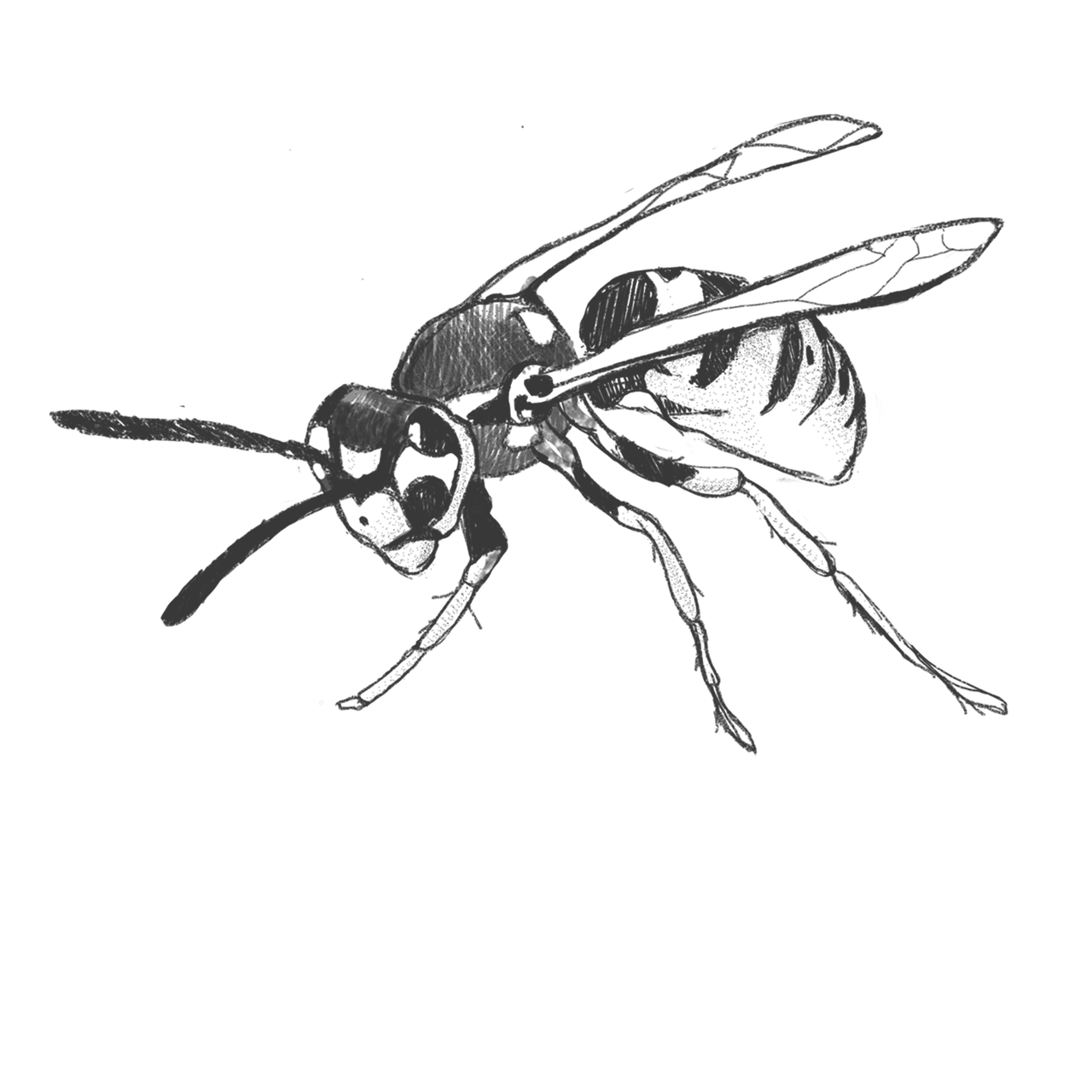
Understanding Wasps, Yellowjackets and Hornets
Often misunderstood and seen as unwelcome summer visitors, most wasps are actually harmless allies.
These insects play essential roles in keeping our landscapes healthy. By controlling pest insects, visiting flowers and recycling nutrients,
they help maintain the natural balance. Understanding how they live, and how they differ, can help us coexist with them more comfortably.
When food is scarce and populations are growing, they become more aggressive and competitive. Mosquito-control sprays can also have an impact on surrounding insect populations, including caterpillars, which are a major food source for wasps, said Aileen Barclay, director of conservation and operations with the Oak Ridges Moraine Land Trust.
“These sprays kill off more than mosquitoes and it’s greatly impacting insects,” she said. “The wasps are starving and they’re getting more competitive over food, building up their aggression.” The reduction in food sources can have a cumulative effect when combined with other factors, including weather patterns and human disturbance.
Barclay said understanding how human activity and environmental changes affect insect populations can help residents take precautions while limiting unintended impacts on other species.
WHAT THEY HAVE IN COMMON
Social colonies
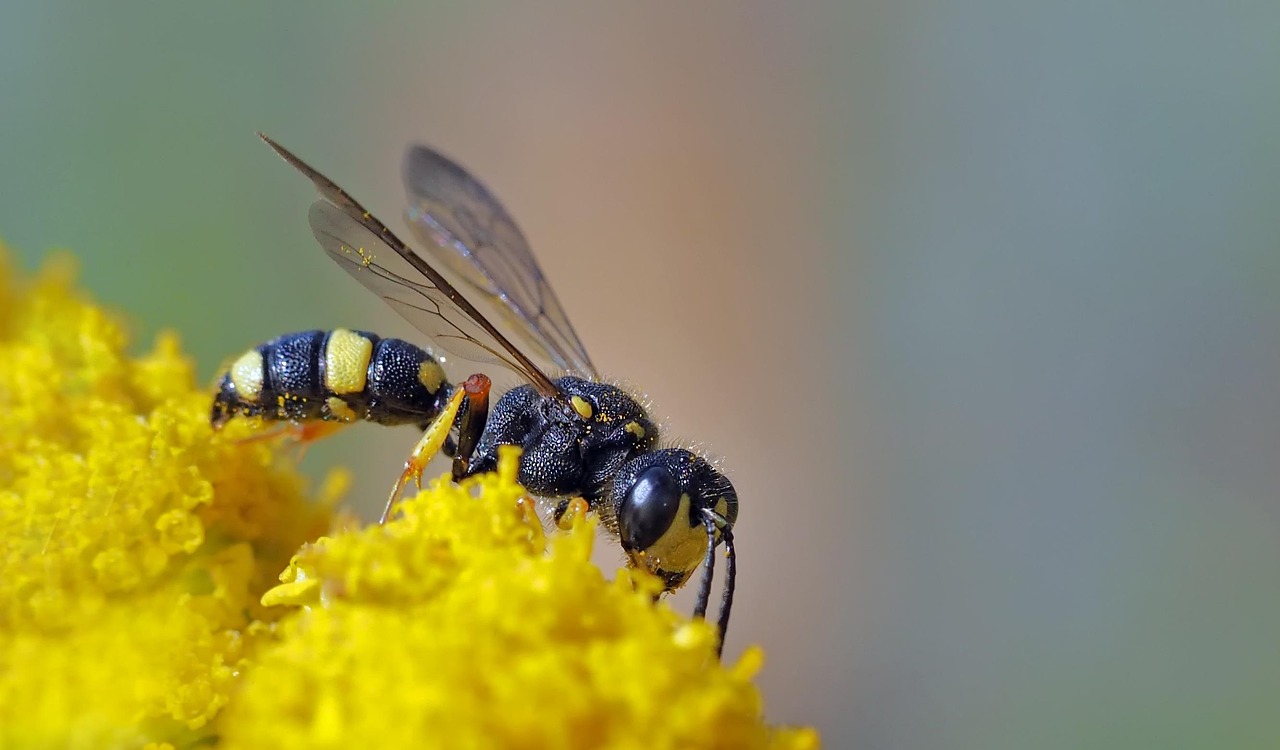
Many of the wasps people notice - paper wasps, yellowjackets, and hornets - live in seasonal colonies.
Each colony includes:
Defensive stingers
Wasps can sting, but they usually do so only to defend their nest. Most stings occur when a colony is accidentally disturbed. Unlike honey bees, wasps can sting more than once because their stingers are not barbed.
Skilled fliers
Wasps are highly agile in flight. Their strong wings allow them to hover, hunt moving prey, and travel efficiently between food sources and nests.
Complete life cycle
Like butterflies and beetles, wasps undergo complete metamorphosis: Egg → Larva → Pupa → Adult
Workers feed the larvae protein-rich food, mainly other insects.
Many of the wasps people notice - paper wasps, yellowjackets, and hornets - live in seasonal colonies.
Each colony includes:
- A queen that lays eggs
- Female workers that gather food and care for young
- Males produced later in the season for reproduction
Defensive stingers
Wasps can sting, but they usually do so only to defend their nest. Most stings occur when a colony is accidentally disturbed. Unlike honey bees, wasps can sting more than once because their stingers are not barbed.
Skilled fliers
Wasps are highly agile in flight. Their strong wings allow them to hover, hunt moving prey, and travel efficiently between food sources and nests.
Complete life cycle
Like butterflies and beetles, wasps undergo complete metamorphosis: Egg → Larva → Pupa → Adult
Workers feed the larvae protein-rich food, mainly other insects.
Source: https://www.facebook.com/BlueRidgeMountainsTravel
HOW THEY DIFFER
Appearance
Diet
Adults and larvae have different needs.
Adults
Nesting habits
Different species build different types of nests:
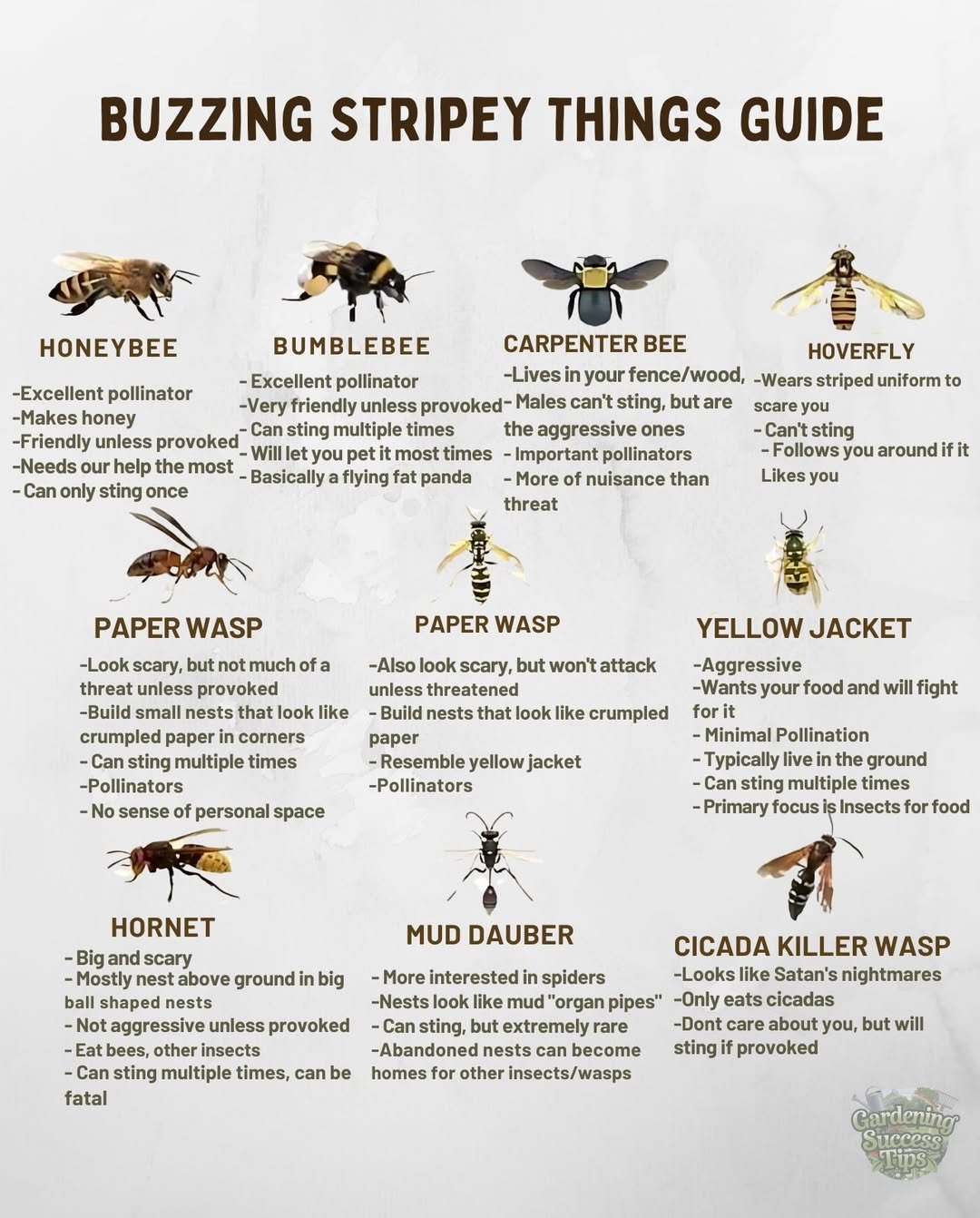
- Bees – Stout, fuzzy bodies designed for collecting pollen
- Wasps – Smooth, slender bodies with a narrow waist
- Yellowjackets – Bright yellow and black striping
- Hornets – Larger and more stocky, often brownish or reddish
- Bees are generally gentle and sting only when threatened.
- Wasps are active hunters and scavengers.
- Yellowjackets are highly defensive of their nests and may be attracted to sugary foods, especially in late summer.
- Hornets tend to be less noticeable but will defend their nests if disturbed.
Diet
Adults and larvae have different needs.
Adults
- Nectar from flowers
- Tree sap or honeydew
- Sugary foods when natural sources are scarce
- Insects and spiders provided by workers
Nesting habits
Different species build different types of nests:
- Paper wasps – small open combs under eaves or branches
- Yellowjackets – underground nests or hidden cavities
- Hornets – large enclosed paper nests in trees or on structures
WHY WASPS MATTER
Natural pest control
They remove thousands of caterpillars, flies, and other insects that damage trees, shoreline plants, and gardens.
They remove thousands of caterpillars, flies, and other insects that damage trees, shoreline plants, and gardens.
Pollination
While not as efficient as bees, many species visit flowers for nectar and contribute to pollination.
While not as efficient as bees, many species visit flowers for nectar and contribute to pollination.
Nutrient recycling
Yellowjackets help break down dead insects and organic material.
Yellowjackets help break down dead insects and organic material.
Food for wildlife
Wasps and their larvae are eaten by birds and other animals, making them part of the lake food web.Without wasps, populations of plant-eating insects would increase dramatically.
Wasps and their larvae are eaten by birds and other animals, making them part of the lake food web.Without wasps, populations of plant-eating insects would increase dramatically.
WASPS AND BEES: CLOSE RELATIVES
Wasps and bees belong to the same insect order (Hymenoptera). Fun fact: Bees evolved from predatory wasp ancestors!
The key difference:
The key difference:
- Bees collect pollen and nectar for their young What's The Difference Between Bees, Wasps, Yellow Jackets, and Hornets?
- Wasps hunt insects to feed their larvae
However, many wasps still depend on flowers for nectar, which means planting native flowers supports both groups.
LIVING SAFELY WITH WASPS
Most conflicts can be avoided with simple awareness:
- Keep a safe distance from visible nests
- Avoid sudden movements near active colonies
- Cover food and drinks outdoors in late summer
- Remember that colonies are temporary and die off in fall
SUPPORT BENEFICIAL WASPS
- Plant native flowering plants that bloom throughout the season
- Avoid pesticide use
- Leave some natural areas undisturbed
- Recognize that most wasps are working to control pests
European Hornets vs. Northern Giant Hornets: Know the Difference
Not every large hornet is an invasive species. Here’s how to tell the difference and what you should know
Large, buzzing insects can be intimidating, particularly when headlines about "murder hornets" raise concerns about invasive species. However, the European hornet and the Northern giant hornet are two different species, and knowing the difference is important.
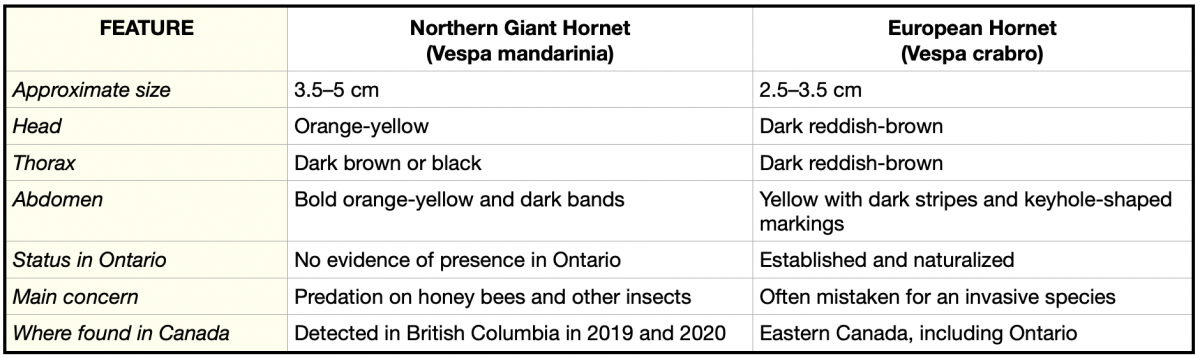
For residents of Echo Lake and the wider Muskoka region, the key message is reassuring: European hornets are established in Ontario, but there is no evidence that Northern giant hornets are present in Ontario. The Ontario government identifies the European hornet as one of the species most frequently mistaken for the Northern giant hornet.
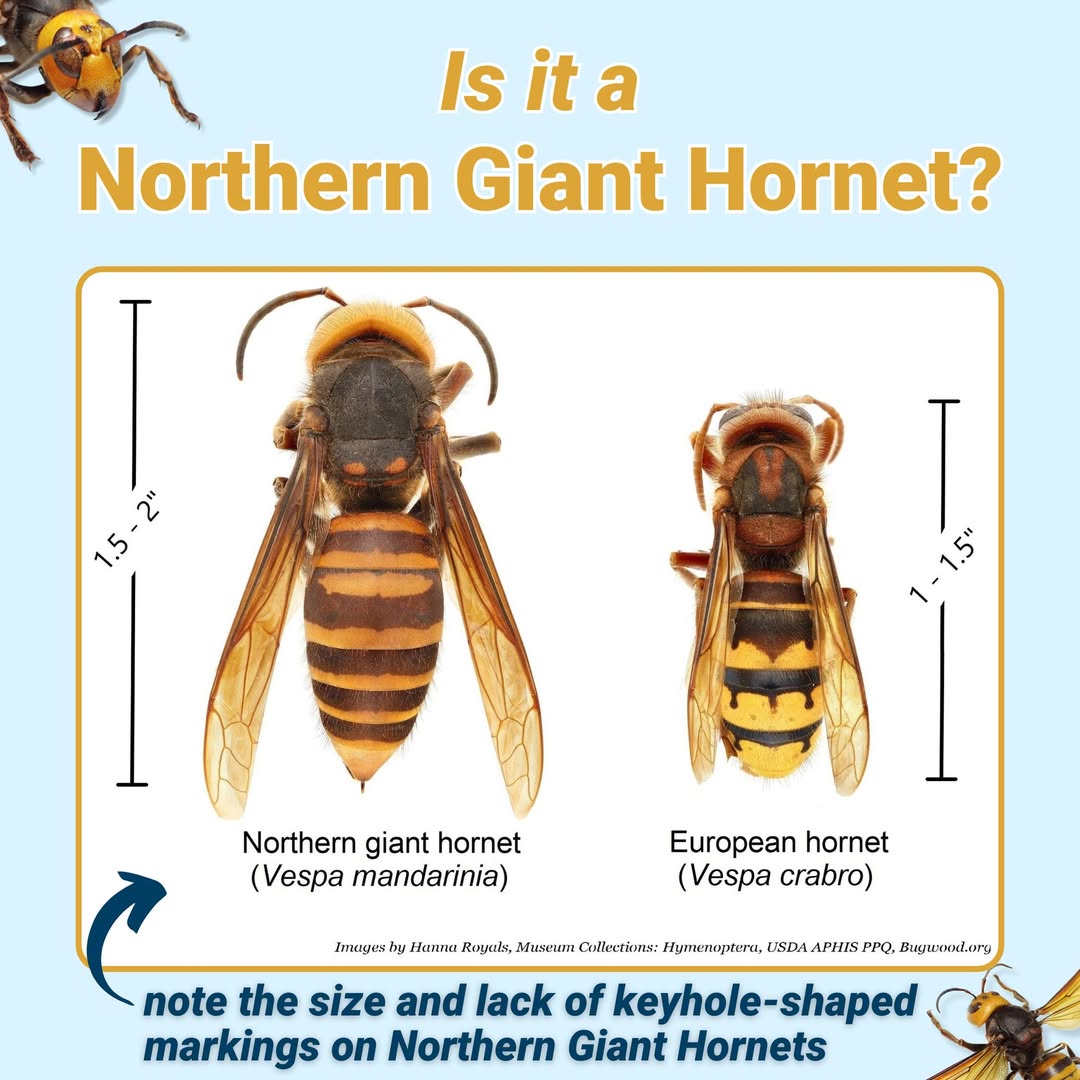
European Hornet (Vespa crabro)
The European hornet is a large wasp that was introduced to eastern North America more than 160 years ago. It is now established in parts of Ontario and eastern Canada.
European Hornet (Vespa crabro)
The European hornet is a large wasp that was introduced to eastern North America more than 160 years ago. It is now established in parts of Ontario and eastern Canada.
How to recognize it:Although the European hornet is not native to Canada, it is considered naturalized in parts of Ontario. According to the Ontario government and the Invasive Species Centre, it does not pose the same environmental threat as the Northern giant hornet. Seeing a European hornet in Muskoka is therefore not, by itself, evidence that an invasive Northern giant hornet has arrived.
Northern Giant Hornet (Vespa mandarinia)
The Northern giant hornet has attracted considerable attention under the nickname "murder hornet." It was formerly commonly called the Asian giant hornet. These names refer to the same species, not three different hornets. Native to parts of Asia, the Northern giant hornet is an invasive species of concern because it preys on other insects, including honey bees.
- Size: Approximately 2.5–3.5 cm long.
- Head and thorax: Dark reddish-brown.
- Abdomen: Yellow with dark reddish-brown or black markings, including distinctive dark, keyhole-shaped patterns.
- Activity: European hornets are unusual among wasps because they can be active at night.
Key Behaviour Traits
- Foraging Calmness: When hunting for insects, sap, or fruit away from home, they usually ignore humans and prefer to avoid conflict.
- Nest Defence: They become aggressive only if their nest is directly approached, threatened, or disturbed.
- Night Activity: They are frequently active at dusk and drawn to porch lights, which can startle people, though they remain uninterested in stinging unless swatted or trapped.
- Male Hornets: Male European hornets do not have stingers at all and cannot sting.
- Comparison to Wasps: They are widely viewed as much more relaxed and timid than smaller social wasps or yellowjackets.
Northern Giant Hornet (Vespa mandarinia)
The Northern giant hornet has attracted considerable attention under the nickname "murder hornet." It was formerly commonly called the Asian giant hornet. These names refer to the same species, not three different hornets. Native to parts of Asia, the Northern giant hornet is an invasive species of concern because it preys on other insects, including honey bees.
How to recognize it:
Why is it called the "murder hornet"?
The nickname refers primarily to its predatory behaviour toward honey bees, rather than to attacks on people. Northern giant hornets can attack and destroy honey bee colonies, posing a serious concern for beekeepers, agriculture and biodiversity. They are generally not interested in people or pets, but they can attack if their nest or a honey bee colony being targeted is approached too closely. Their stings can be dangerous, particularly when multiple stings occur.
- Size: Approximately 3.5–5 cm long, with queens reaching the larger end of that range.
- Head: Large and prominently orange-yellow.
- Thorax: Dark brown or black.
- Abdomen: Broad, contrasting bands of orange-yellow and dark brown or black.
Why is it called the "murder hornet"?
The nickname refers primarily to its predatory behaviour toward honey bees, rather than to attacks on people. Northern giant hornets can attack and destroy honey bee colonies, posing a serious concern for beekeepers, agriculture and biodiversity. They are generally not interested in people or pets, but they can attack if their nest or a honey bee colony being targeted is approached too closely. Their stings can be dangerous, particularly when multiple stings occur.
RESOURCES
- Massive Hornets: Understanding the Buzz
- Northern Giant Hornets
- Giant hornets are here — but they're not the ones you might think
- Meet the murder hornet’s Canadian cousin
- Asian Giant Hornet
- Murder Hornets: What’s All the Buzz About?
- European Hornet
- European Hornet vs. Asian Giant Hornet
- Asian Giant Hornet
What About Muskoka?
Because European hornets occur in Ontario, residents may encounter them around their properties. Their large size and distinctive colouring can make them look alarming, especially if someone has recently seen photographs of Northern giant hornets online. The Northern giant hornet was first confirmed in Canada in British Columbia in 2019. Subsequent detections there prompted monitoring and eradication efforts. According to the Ontario government's Northern Giant Hornets information page, there is no evidence of this species in Ontario. It is important to distinguish between an insect that looks unfamiliar and one that is genuinely an invasive species. Several wasps and other insects found in Ontario can be mistaken for Northern giant hornets, including European hornets, bald-faced hornets, yellowjackets and eastern cicada killers. A large insect is not automatically a Northern giant hornet.
What Should You Do If You Think You Have Seen One?
The Bottom Line
European hornets and Northern giant hornets may look similar at first glance, but they are not the same species. European hornets are established in Ontario and have been present in eastern North America for well over a century. Northern giant hornets are an invasive species of concern, particularly because of their impact on honey bees, but there is no evidence that they are present in Ontario. Learning to recognize the differences helps avoid unnecessary alarm while ensuring that a genuinely suspected invasive species can be reported appropriately.
Because European hornets occur in Ontario, residents may encounter them around their properties. Their large size and distinctive colouring can make them look alarming, especially if someone has recently seen photographs of Northern giant hornets online. The Northern giant hornet was first confirmed in Canada in British Columbia in 2019. Subsequent detections there prompted monitoring and eradication efforts. According to the Ontario government's Northern Giant Hornets information page, there is no evidence of this species in Ontario. It is important to distinguish between an insect that looks unfamiliar and one that is genuinely an invasive species. Several wasps and other insects found in Ontario can be mistaken for Northern giant hornets, including European hornets, bald-faced hornets, yellowjackets and eastern cicada killers. A large insect is not automatically a Northern giant hornet.
What Should You Do If You Think You Have Seen One?
If you suspect that you have spotted a Northern giant hornet in Ontario:
- Keep your distance. Do not approach or disturb a suspected hornet or its nest.
- Take a photograph only if it is safe to do so. A clear image can help specialists identify the insect.
- Report the sighting. Use the Ontario government's official reporting information here or contact the Invasive Species Centre for guidance.
- Do not attempt to capture or destroy the insect yourself. Identification should be confirmed by a qualified specialist.
The Bottom Line
European hornets and Northern giant hornets may look similar at first glance, but they are not the same species. European hornets are established in Ontario and have been present in eastern North America for well over a century. Northern giant hornets are an invasive species of concern, particularly because of their impact on honey bees, but there is no evidence that they are present in Ontario. Learning to recognize the differences helps avoid unnecessary alarm while ensuring that a genuinely suspected invasive species can be reported appropriately.
Native Plants For Supporting Wasps
Because they have short tongues, wasps prefer shallow flowers and generally avoid complex, tubular flowers, though some may chew holes to access nectar. Many species show a strong preference for white flowers. Here is a shortlist of plants emphasizing shallow, accessible nectar sources:
🌺 Carrot Family - Excellent flat, open flowers
- Golden Alexanders
- Wild Carrot
- Rattlesnake Master
- Canada Goldenrod
- New England Aster
- Common Fleabane
- Joe Pye Weed
- Mountain Mint
- Spotted Bee Balm
- Common Milkweed
- Swamp Milkweed
- Dogbane
Many gardening practices that support bees also support wasps, including:
- Leaving stems and plant stubble
- Providing natural nesting habitat
- Planting diverse native flowers
- Avoid cutting everything back in fall
- Maintain small areas of exposed soil
- Keep a water source or damp soil area if possible