Beavers, River Otters, Muskrats And Minks
Muskoka’s lakes, rivers, wetlands and marshes support a fascinating group of mammals adapted to life in and around water. These semi-aquatic species spend much of their time swimming, feeding or travelling along shorelines. The freshwater mammals most often encountered in the region are the North American beaver, North American river otter, muskrat and the American mink. Although they share similar habitats, these animals differ greatly in size, behaviour, diet and physical features.
Beaver: Muskoka’s Wetland Architect
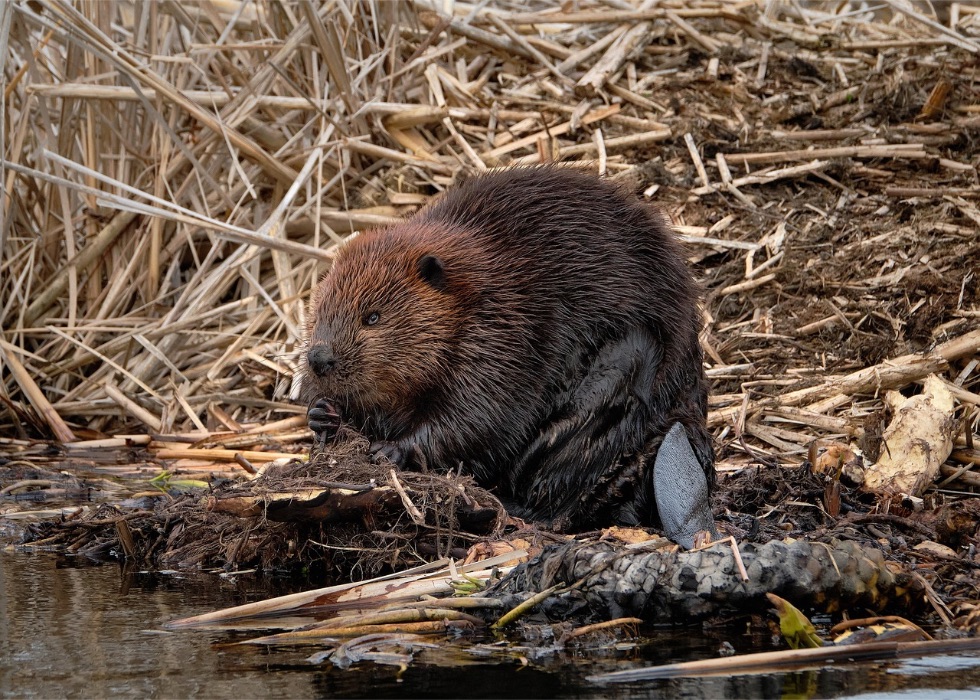
The North American beaver is the largest freshwater mammal in Muskoka and the largest rodent in North America. Adults typically measure three to four feet long and weigh between 35 and 65 pounds. Beavers are easily recognized by their broad, flat, paddle-shaped tail, dense brown fur and large orange incisors used for cutting wood. Their tail acts as a rudder when swimming and is also used as a warning signal - beavers will often slap the water loudly when startled.
The North American beaver is the largest freshwater mammal in Muskoka and the largest rodent in North America. Adults typically measure three to four feet long and weigh between 35 and 65 pounds. Beavers are easily recognized by their broad, flat, paddle-shaped tail, dense brown fur and large orange incisors used for cutting wood. Their tail acts as a rudder when swimming and is also used as a warning signal - beavers will often slap the water loudly when startled.
Beavers are famous for their engineering abilities. Using branches, logs, and mud, they construct dams and lodges that create ponds and wetlands. These structures slow moving water, trap sediment and provide habitat for many other species including fish, amphibians, birds and aquatic plants. Because their building activities reshape entire ecosystems, beavers are widely known as 'ecosystem engineers'.
Beavers are herbivores that feed primarily on bark, twigs and aquatic vegetation, especially the inner bark of trees such as poplar, willow and birch. In autumn, they often store branches underwater near their lodge to serve as food throughout the winter.
Climate change benefits of beavers:
- Reduce flooding and extreme rainfall impacts: Beaver dams hold back water during heavy storms, helping lessen downstream flood damage.
- Store and redistribute water: Their ponds and canal systems retain water on the landscape and help move it during dry periods, improving resilience to drought.
- Create climate-resilient landscapes: By building wetlands and maintaining groundwater, beavers help ecosystems better cope with changing climate conditions.
- Support adaptation to climate extremes: Beaver-engineered environments can buffer both drought and flooding, two key risks linked to climate change.
Bottom line: Beavers act as natural water managers - slowing, storing, and redistributing water - which helps landscapes withstand the increasing extremes of drought, flooding, and climate variability.
River Otter: The Energetic Hunter
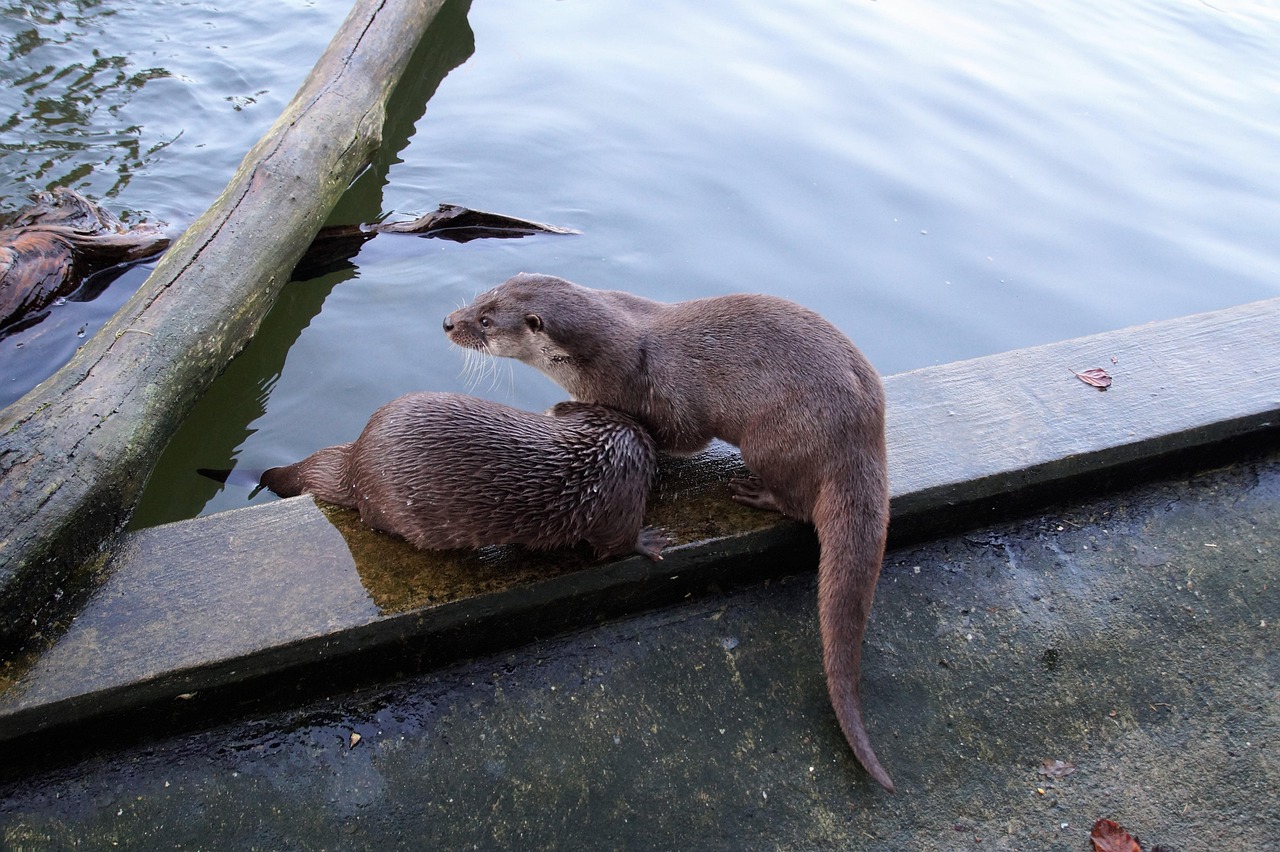
The North American river otter is one of Muskoka’s most charismatic wildlife species. Built for life in the water, otters have long, streamlined bodies, webbed feet and thick waterproof fur that keeps them warm even in cold northern lakes and rivers. Adult otters usually measure two to four feet long and weigh between 10 and 30 pounds, making them much larger than mink but smaller than beavers. Their muscular, tapered tail helps propel them through the water.
River Otter: The Energetic Hunter
The North American river otter is one of Muskoka’s most charismatic wildlife species. Built for life in the water, otters have long, streamlined bodies, webbed feet and thick waterproof fur that keeps them warm even in cold northern lakes and rivers. Adult otters usually measure two to four feet long and weigh between 10 and 30 pounds, making them much larger than mink but smaller than beavers. Their muscular, tapered tail helps propel them through the water.
River otters are highly skilled predators that feed mainly on fish, but they also eat crayfish, frogs and other small aquatic animals. They are powerful swimmers and can dive repeatedly while hunting. Otters are well known for their energetic and playful behaviour. They frequently slide down muddy or snowy banks, chase one another through the water, and explore shorelines with curiosity. Although they may sometimes be seen alone, they are often observed in family groups, particularly during warmer months. After declining in parts of North America due to pollution and habitat loss, river otters have made a strong comeback in many regions as water quality has improved.
Beaver ☝️
Muskrat: A Small Wetland Specialist
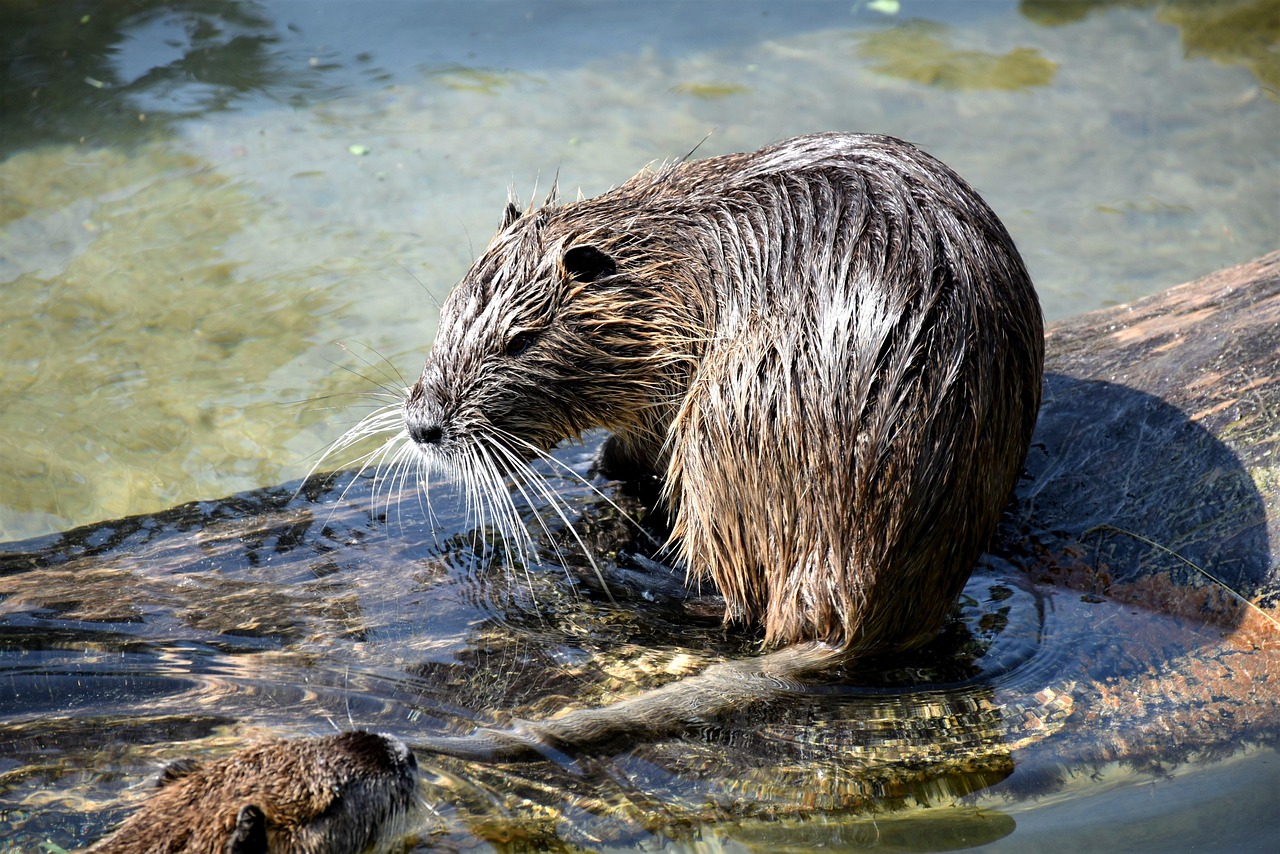
The muskrat is much smaller than the beaver but lives in many of the same marshes, ponds and lakes. Adults typically weigh between 1.5 and 4 pounds and measure about one to two feet long. Muskrats resemble miniature beavers, but their long, narrow tail - flattened vertically and nearly hairless - quickly distinguishes them from their larger relatives. When swimming, muskrats usually move across the surface with their head, back and tail visible.
Their diet consists mainly of aquatic plants, including cattails, reeds and pondweed. In feeding on these plants, muskrats create openings in dense marsh vegetation that can benefit many other wetland species. Muskrats build small dome-shaped lodges made from reeds and other vegetation, or they dig burrows into wetland banks. These structures provide shelter from predators and protection during winter. Although they are far less conspicuous than beavers, muskrats play an important ecological role by shaping wetland vegetation and serving as prey for predators such as mink, foxes and birds of prey.
American Mink: A Secretive Shoreline Predator
The American mink is the smallest of Muskoka’s freshwater mammals and a member of the weasel family. Adults typically measure one to two feet long and weigh between one and three pounds. Minks have long, slender bodies, short legs and dark brown fur that often appears nearly black when wet. Their short, slightly bushy tail distinguishes them from the thicker, more powerful tail of an otter.
These animals are agile hunters that patrol the edges of lakes, rivers and wetlands. Minks feed on a wide variety of prey including fish, frogs, crayfish, birds and small mammals. Although they are strong swimmers, they often hunt by moving quickly along the shoreline and diving into the water to catch prey. Mink are typically solitary and secretive, which makes them harder to observe than otters. A brief glimpse of a dark animal darting along the water’s edge is often the only sign one is nearby.
The muskrat is much smaller than the beaver but lives in many of the same marshes, ponds and lakes. Adults typically weigh between 1.5 and 4 pounds and measure about one to two feet long. Muskrats resemble miniature beavers, but their long, narrow tail - flattened vertically and nearly hairless - quickly distinguishes them from their larger relatives. When swimming, muskrats usually move across the surface with their head, back and tail visible.
Their diet consists mainly of aquatic plants, including cattails, reeds and pondweed. In feeding on these plants, muskrats create openings in dense marsh vegetation that can benefit many other wetland species. Muskrats build small dome-shaped lodges made from reeds and other vegetation, or they dig burrows into wetland banks. These structures provide shelter from predators and protection during winter. Although they are far less conspicuous than beavers, muskrats play an important ecological role by shaping wetland vegetation and serving as prey for predators such as mink, foxes and birds of prey.
American Mink: A Secretive Shoreline Predator
The American mink is the smallest of Muskoka’s freshwater mammals and a member of the weasel family. Adults typically measure one to two feet long and weigh between one and three pounds. Minks have long, slender bodies, short legs and dark brown fur that often appears nearly black when wet. Their short, slightly bushy tail distinguishes them from the thicker, more powerful tail of an otter.
These animals are agile hunters that patrol the edges of lakes, rivers and wetlands. Minks feed on a wide variety of prey including fish, frogs, crayfish, birds and small mammals. Although they are strong swimmers, they often hunt by moving quickly along the shoreline and diving into the water to catch prey. Mink are typically solitary and secretive, which makes them harder to observe than otters. A brief glimpse of a dark animal darting along the water’s edge is often the only sign one is nearby.
HOW TO TELL THEM APART
Although these species share similar habitats, several features can help distinguish them in the field.
Size (descending order)
Tail shape
Swimming Behaviour
Size (descending order)
- Beaver: Largest freshwater mammal in the region
- Otter: Medium-sized but significantly smaller than beaver
- Muskrat: Small rodent often mistaken for a miniature beaver
- Mink: Smallest and most slender of the four
- Beaver: Broad, flat paddle
- Muskrat: Long, narrow, rat-like tail
- Otter: Thick, tapered tail
- Mink: Short, bushy tail
- Beaver: Often swims with only the head visible
- Otter: Sleek swimmer; body mostly submerged.
- Muskrat: Small rounded body paddling with head, back and tail visible.
- Mink: Swims low but with much of body showing.
Muskrat ☝️
Quick Field Clues
- Flat paddle tail slapping the water: Likely a beaver
- Long sleek swimmer diving repeatedly: Usually a river otter
- Small swimmer with a long rat-like tail trailing behind: A muskrat
- Dark, slender animal darting along the shoreline: Often a mink
You may never see the animal itself, but the signs they leave behind can reveal their presence:
- Beaver: Chewed trees, dams, and large stick lodges.
- Otter: Sliding tracks on snow or mud, fish remains.
- Muskrat: Small lodges made of cattails and wetland plants.
- Mink: Narrow tracks and scattered prey remains along the shoreline.
Indicators of Healthy Waterways
The presence of beavers, otters, muskrats, and mink often signals healthy freshwater ecosystems. These animals depend on clean water, abundant food and intact wetlands.
The presence of beavers, otters, muskrats, and mink often signals healthy freshwater ecosystems. These animals depend on clean water, abundant food and intact wetlands.
River Otters ☝️
Resources
- Furry Climate Superheroes: How beavers help protect ecosystems
- Busy Beavers: Nature’s Landscape Architect
- Beaver? Otter? Muskrat? A Field Guide to Freshwater Mammals
- What’s Ontario’s favourite animal? The case for the beaver
- What’s Ontario’s favourite animal? The case for the otter
- Look, an otter in Parry Sound-Muskoka! Or, is it?
- The Humble Muskrat: Is He Disappearing?
- Otter Vs Mink: How to Tell Them Apart
- Muskrat vs. Beaver: 7 Key Differences Explained
- The dam, the myth, the legend: 50 years of the beaver