The Secret Lives Of Salamanders And Newts
RAINY NIGHTS AND HIDDEN JOURNEYS: MUSKOKA’S SALAMANDERS AND NEWTS
In Muskoka, some of the most fascinating wildlife lives almost entirely out of sight. While attention is often drawn to birds, mammals and turtles, salamanders and their close relatives, newts, are quietly thriving beneath logs, leaf litter and shallow waters.
Each spring, these secretive amphibians emerge in one of nature’s most remarkable migrations, moving en masse across the forest floor to reach breeding pools.
What’s the difference between salamanders and newts?
Newts are actually a type of salamander, but they have a slightly different lifestyle:
Salamanders and newts depend on cool, moist environments. You’ll most often find them:
Why They Matter
These amphibians are powerful indicators of environmental health. Because they require:
- Salamanders are often fully terrestrial or spend much of their lives underground or beneath forest debris.
- Newts typically have a more complex life cycle, including both aquatic and terrestrial stages.
- Aquatic larva
- Terrestrial "red eft" stage (bright orange-red and often seen on forest floors)
- Aquatic adult, returning to ponds and lakes
Salamanders and newts depend on cool, moist environments. You’ll most often find them:
- Under logs, rocks and leaf litter
- In damp soil or burrows
- Near wetlands, ponds and vernal pools
Why They Matter
These amphibians are powerful indicators of environmental health. Because they require:
- Clean water
- Moist, undisturbed habitat
- Stable seasonal conditions
Species You’ll Find in Muskoka
Muskoka supports a rich variety of salamanders and one notable newt species:
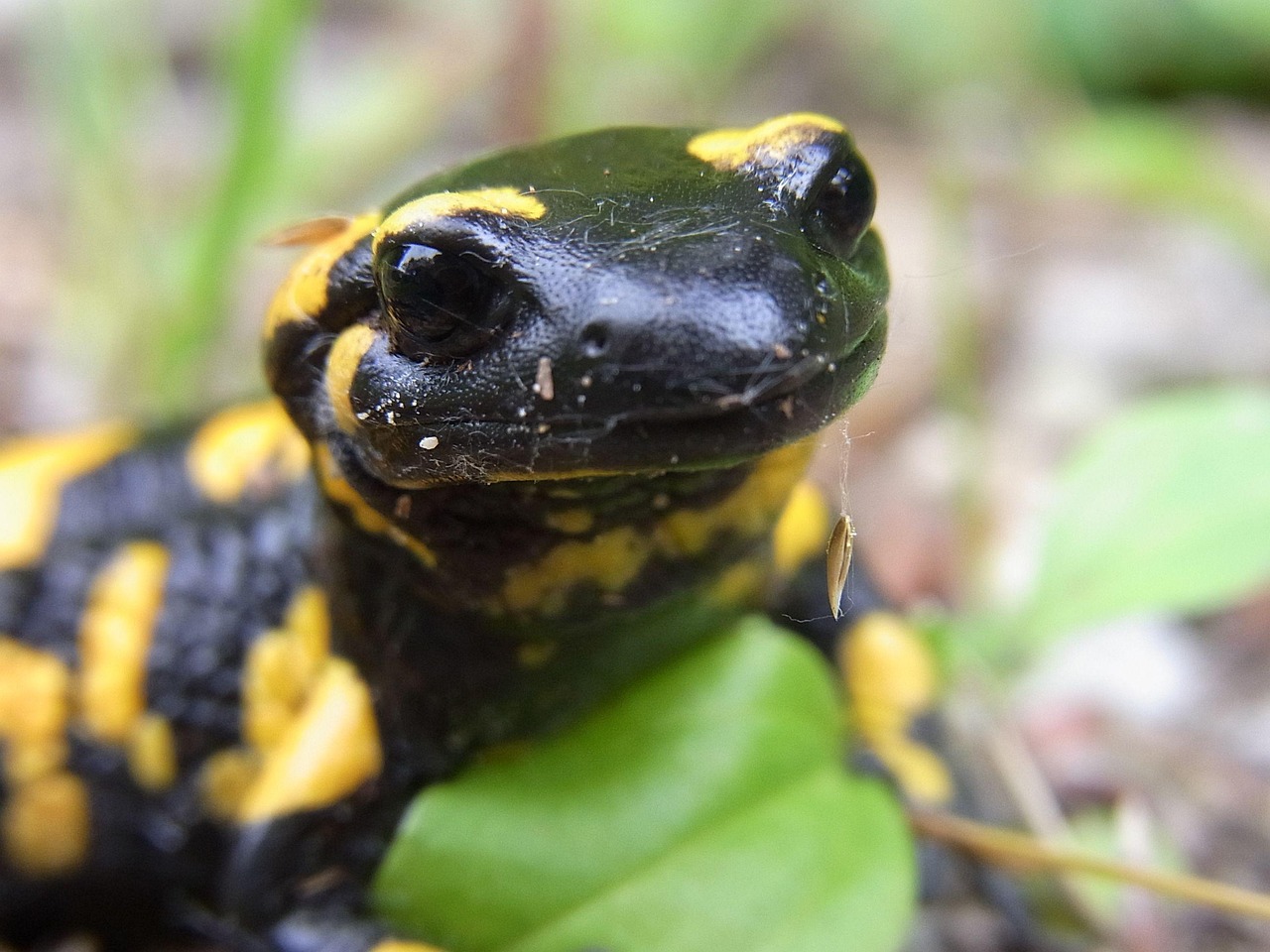
Spotted Salamander
Spotted Salamander
- Large, black with bright yellow spots
- Found in hardwood forests
- Breeds in temporary, fish-free ponds
- Famous for mass migrations on rainy spring nights
- Dark body with bluish flecks
- Prefers moist forests, swamps and lowlands
- Often spends much of its life underground
- Small and very common
- Distinct red or brown stripe along its back
- Fully terrestrial - does not rely on ponds for breeding
- Small and secretive
- Found near wetlands, especially sphagnum moss
- Nests in moist, mossy areas
- Muskoka’s most familiar newt
- Bright orange-red eft stage often seen on forest floors
- Adults live in ponds, lakes and slow-moving water
- One of the few amphibians commonly observed both on land and in water
Because they depend on both land and water, they are especially vulnerable to environmental change.
- Habitat loss from development
- Pollution and chemical contamination
- Climate change affecting moisture and breeding cycles
- Road mortality during seasonal migrations
- Leave logs, rocks, and leaf litter undisturbed
- Avoid handling amphibians
- Protect wetlands and vernal pools
- Watch for amphibians crossing roads on rainy spring nights
- Participate in citizen science programs (online or via app) like iNaturalist's Herps of Ontario project
Call or text Scales Nature Park at (705) 955-4284 to report rare, nesting, injured or dead reptiles
Habitat
Salamanders and newts rely on two critical habitats:
Moist Forests
Shaded woodlands with abundant leaf litter and decaying wood provide shelter, food, and the moisture they need to survive.
Vernal Pools
These temporary spring ponds are essential breeding sites for many salamanders. Because they dry up later in the year, they don’t support fish—making them safe nurseries for eggs and larvae.Even though they may appear small or temporary, vernal pools are among the most important habitats in Muskoka’s forests.
When and Where to Look
If you spot one, it’s best to observe without handling - their absorbent skin makes them very sensitive to chemicals found in lotions, sunscreen, insect repellent and other common products humans use.
Salamanders and newts rely on two critical habitats:
Moist Forests
Shaded woodlands with abundant leaf litter and decaying wood provide shelter, food, and the moisture they need to survive.
Vernal Pools
These temporary spring ponds are essential breeding sites for many salamanders. Because they dry up later in the year, they don’t support fish—making them safe nurseries for eggs and larvae.Even though they may appear small or temporary, vernal pools are among the most important habitats in Muskoka’s forests.
When and Where to Look
If you spot one, it’s best to observe without handling - their absorbent skin makes them very sensitive to chemicals found in lotions, sunscreen, insect repellent and other common products humans use.
- Early spring (April):
During warm, rainy nights when salamanders migrate to breeding ponds - Summer and fall:
Under logs, rocks, and leaf litter in damp forests - After rain:
When moisture brings them closer to the surface
RESOURCES
- Field Guide To Salamanders And Newts
- Herps of Ontario
- The search for salamanders
- Where the wild things are: salamanders
- Cottage Life Wild Profile: Meet the yellow-spotted salamander
- Cottage Life Wild Profile: Meet the red-backed salamander
- Meet a few of Canada’s weird and wonderful salamander species
- Salamanders are mass migrating...