Why Canada Geese Shouldn’t Be Hated or Harassed
Canada Geese are protected under the Migratory Birds Convention Act, 1994. This law comes from an international treaty between Canada and the United States and makes it illegal to harm migratory birds, their nests, or their eggs without a permit. That means chasing, harming or disturbing geese, especially during nesting is illegal.
2. Most problems are caused by human-created habitats
Canada Geese have increased in many populated areas largely because human landscapes provide ideal habitat. Lawns, parks, golf courses, agricultural fields and urban ponds offer abundant food and safe nesting areas with fewer predators. In other words, geese are thriving in environments that people unintentionally created for them.
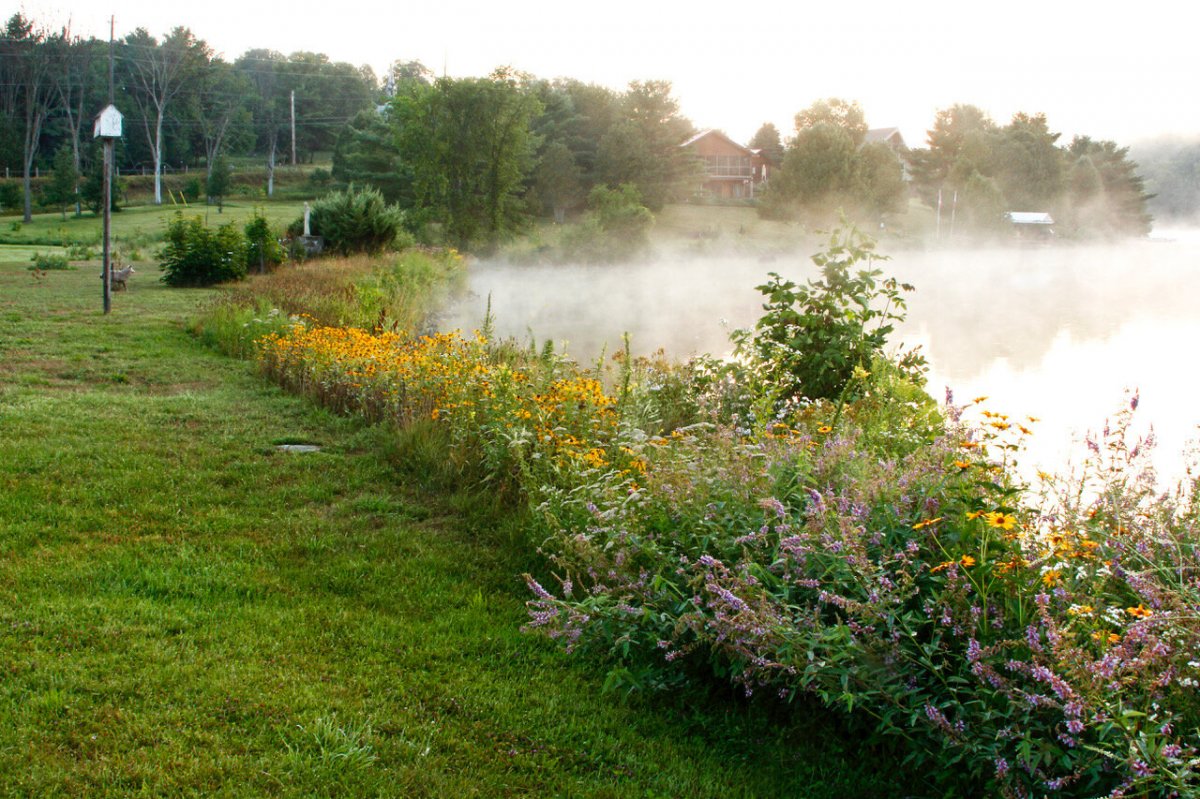
We can reduce conflicts by adjusting our landscaping to make areas less attractive to geese. For example, planting shrubs and taller shoreline vegetation (6" or more) can discourage geese, which prefer open lawns where they can easily spot predators.
Designate tolerance zones: Less-used areas where geese can exist without conflict.
3. Conflicts should be managed, not taken out on the birds
While geese can sometimes cause issues such as droppings, grazing on lawns or aggressive behaviour when nesting, these situations are meant to be managed through regulated wildlife programs, not through harassment.
Recommend approaches to avoid conflict:
- Habitat modification (changing landscaping that attracts geese)
- Don't feed them
- Deterrents or relocation in serious cases - Note: Many of these actions require permits and oversight
Resources
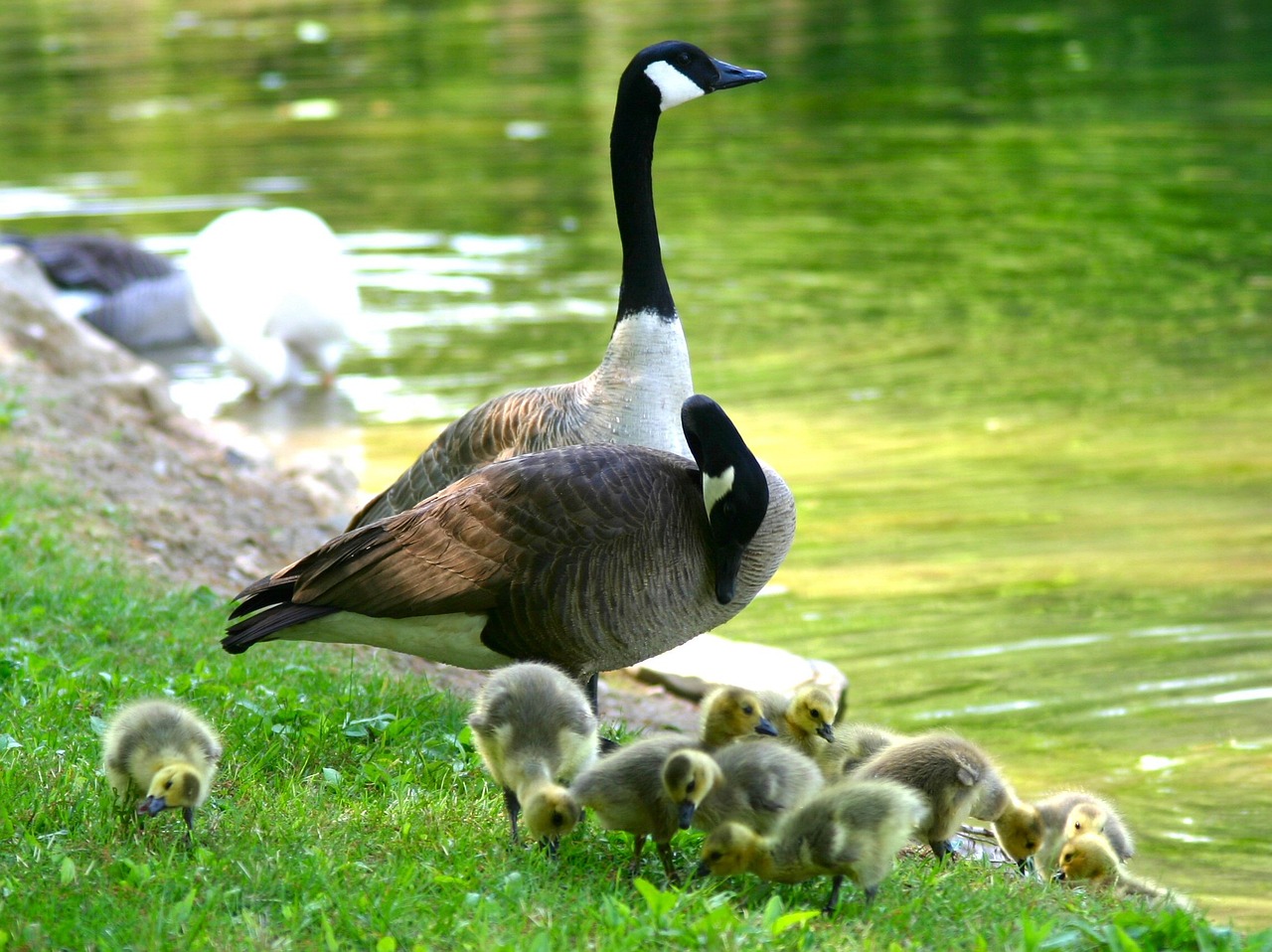
Canada Geese are native to much of Canada and historically nested in wetlands and grasslands. Their populations and behaviour today reflect both natural expansion and past reintroduction programs
5. Harassment can make situations worse
Disturbing geese during nesting season can lead to defensive behaviour, which is why some people experience aggressive encounters. Calmly giving nesting birds space is often the best way to avoid conflict.
Canada Geese are very protective parents and are known for their strong family bonds. They typically mate for life and both parents share responsibility for protecting and raising their goslings.
If a goose behaves defensively:
- Remain calm
- Maintain eye contact
- Slowly back away
- Do not run or turn your back
The Bigger Picture
Rather than viewing geese as a nuisance, it helps to remember that they are protected wildlife, devoted parents and a successful conservation story.
REPORTING HARASSMENT
If you witness someone harassing migratory birds, report it immediately:
- OPP: 1-888-310-1122
- Environment and Climate Change Canada: Email enviroinfo@ec.gc.ca or call 1-800-668-6767
- Crime Stoppers: Report anonymously at 1-800-222-TIPS (8477) for a potential reward
- Environment and Climate Change Canada, Senior Wildlife Officer (if urgent): * Email andrew.bruce@ec.gc.ca or call 905-319-6965
* NOTE: Andrew Bruce is the Senior Wildlife Officer with the Wildlife Enforcement Directorate for our region and has kindly provided his contact information for incidents regarding migratory birds. Email is often a better way to pass on the information and will likely get a quicker response.
Document Information: Take photos or videos, note boat/snowmobile/vehicle/ATV registration numbers, description of the culprit(s), and record date and time. ANYTHING helps!!
Under the Migratory Birds Convention Act, 1994, it is illegal to kill, disturb or destroy migratory birds, their nests or eggs without a permit
💡A Natural Deterrent
Geese are vulnerable on the ground and rely on wide-open spaces to see predators. Long grass conceals predators, making them feel unsafe. Here's a picture of a natural shoreline buffer that includes tall wildflowers and shrubs - this not only provides food and shelter for pollinators while also reducing erosion, filtering runoff, and helping protect freshwater ecosystems, it also helps to deter geese from your property: