Fire Danger Ratings - DEFINITIONS
** NO DAYTIME BURNING Between 8am - 6pm from April 1st to October 31st **
In case of emergency: 9-1-1
Non-emergencies: 705-789-5201
Forest fire rating: 1-877-847-1577
In case of emergency: 9-1-1
Non-emergencies: 705-789-5201
Forest fire rating: 1-877-847-1577
LOW
- Fire must be under constant supervision and control from time of lighting until it is totally extinguished
- Only environmentally friendly products may be burned
- Fires may start easily and spread quickly but there will be minimal involvement of deeper forest fuel layers or larger forest fuels
MODERATE
- Fire must be under constant supervision and control from time of lighting until it is totally extinguished
- Forest fuels are drying and there is an increased risk of surface fires starting. Carry out any forest activities with caution
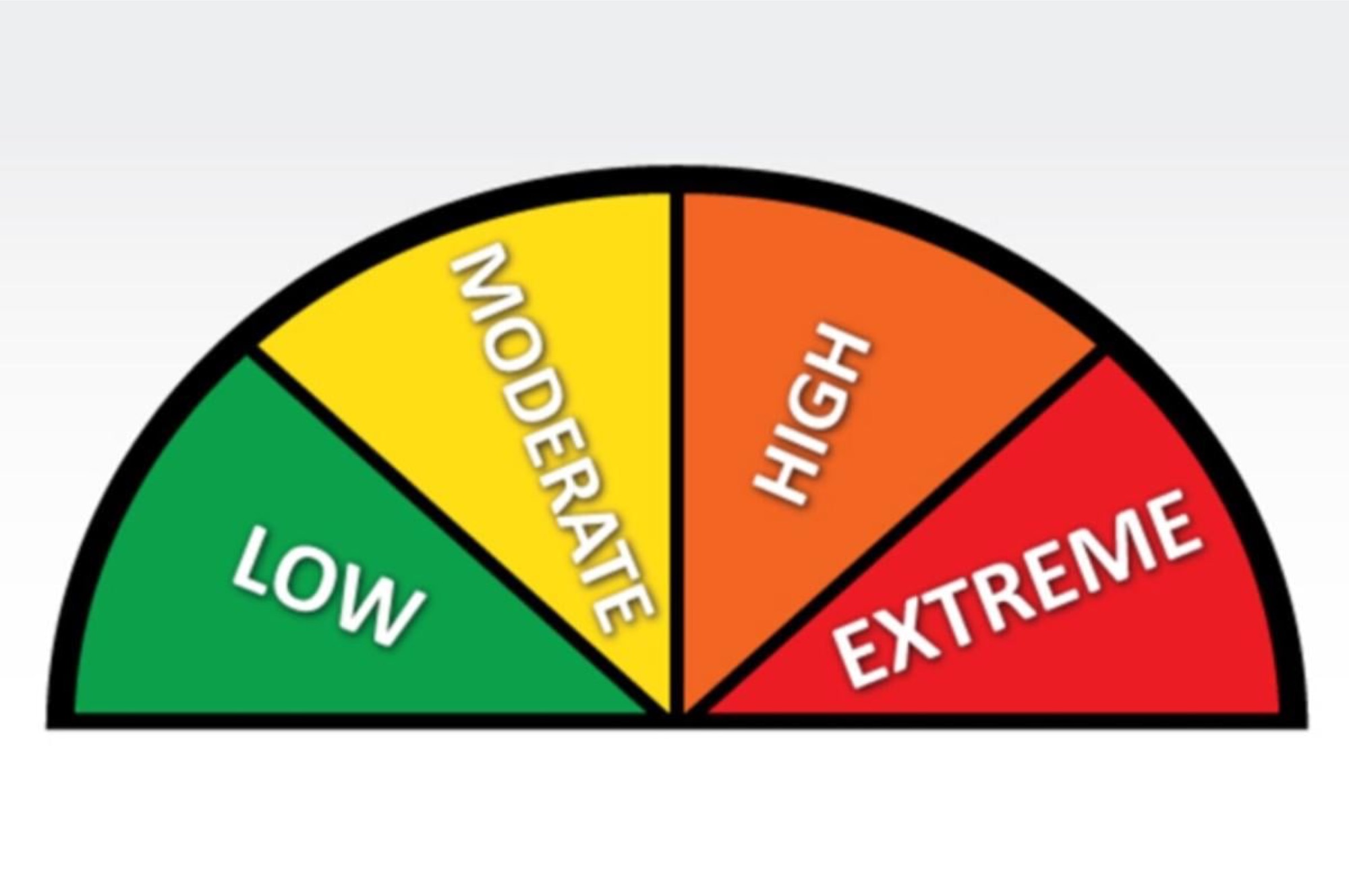
HIGH
- Extreme caution must be taken with all open flames
- Forest fuels are very dry and the fire risk is serious. New fires may start easily, burn vigorously, and challenge fire suppression efforts.
- Extreme caution must be used in any forest activities
EXTREME
- Total Fire Ban
- No burning, fireworks, or campfires are permitted
- Extremely dry forest fuels. The fire risk is very serious. New fires will start easily, spread rapidly, and challenge fire suppression.
Rules For Recreational Fires
Always check for local fire bans before lighting a fire
To ensure safety, all recreational fires must meet the following requirements:
- Size: Maximum of 2 ft x 2 ft (small campfire only)
- Purpose: Cooking, warmth, or enjoyment
- Location: At least 6 metres (20 feet) from buildings, trees, and structures
- Supervision: A responsible adult must be present at all times
- Extinguishing Tools: Keep water, a hose, or a shovel nearby
The FireSmart Cottage
Winter:
- Plan the activities you want to do this year to make your property safe and encourage others to do the same (see more on the back of this sheet)
- Check your fire insurance annually to make sure it is adequate to cover a fire loss
Spring:
- Do a home assessment to help you prepare for the threat of wildfire prior to spring fire season
- Move firewood and lumber piles to at least 10m away from your buildings
- Clean dead vegetation out of shrubs and other foundation plantings
- Connect your garden hose to an outdoor spigot and attach a nozzle; make sure other firefighting tools like shovels, rakes and buckets are handy
Summer:
- Clean gutters and remove and flammable debris from roof
- Keep grass cut around propane tanks and buildings; this provides a green barrier that fire will not burn
- Keep area in 10m diameter of buildings relatively clear of combustible materials
- Enclose soffits and areas under decks; replace flammable roofing, siding, and foundation enclosures with fire resistant materials
- Post road signs or house number in reflective materials so they can be clearly seen in the dark
Fall:
- Prune trees after leaves fall; pruning branches up to 3m above the ground will help prevent fire from climbing branches into tree crowns
- Prune branches that are overhanging roof and wires
- Make sure your home is fire safe on the inside; check chimneys, smoke alarms, and fire extinguishers
Download the Ontario Home Owners FireSmart Manual with important safety information and a home hazard assessment checklist.
And for more about what you can do on your own property & how you can inform others in your community, visit: https://firesmartcanada.ca
Forest, Wildland and Outdoor Fires
Report a Wildfire - Call 911:
Be prepared to give fire officials the following information:
- A detailed description of the fire location
- How firefighters can access the fire
- Types of buildings in the area
- Cutting operations or other activities in the area
- And the time fire was discovered
Monitoring Tools:
Safe Burning:
- What can be burned: Clean, dry wood or charcoal/briquettes.
- What cannot be burned: Construction garbage, treated wood, leaves or garden waste.
- If a restricted fire zone (RFZ) is in effect, or you may be only allowed to burn at certain times in the day
- Choose a safe day; burn during the coolest, calmest, dampest time of day; do not burn when its windy
- A pile to be burnt must be no more than 2 metres in diameter and less than 2 metres in height with 20’ away from buildings or other combustible materials
- Never leave your fire unattended!
Safe Campfires:
- Use a fire pit for campfires; dig a hole, ensure the area around the pit is free of combustible materials, surround your fire pit with rocks or stone slabs, and keep a bucket of water nearby
- Make sure all glowing embers are extinguished before you leave your fire; in a fire pit add water and stir into ashes; if water is not handy, mineral soil also works well to extinguish fire.
View Forest fire activity, report a fire, and learn about restrictions, management, safety and prevention here: Ontario Forest, Wildland and Outdoor Fires