Fireflies: Nature’s Tiny Lanterns of Summer
Why Fireflies Glow
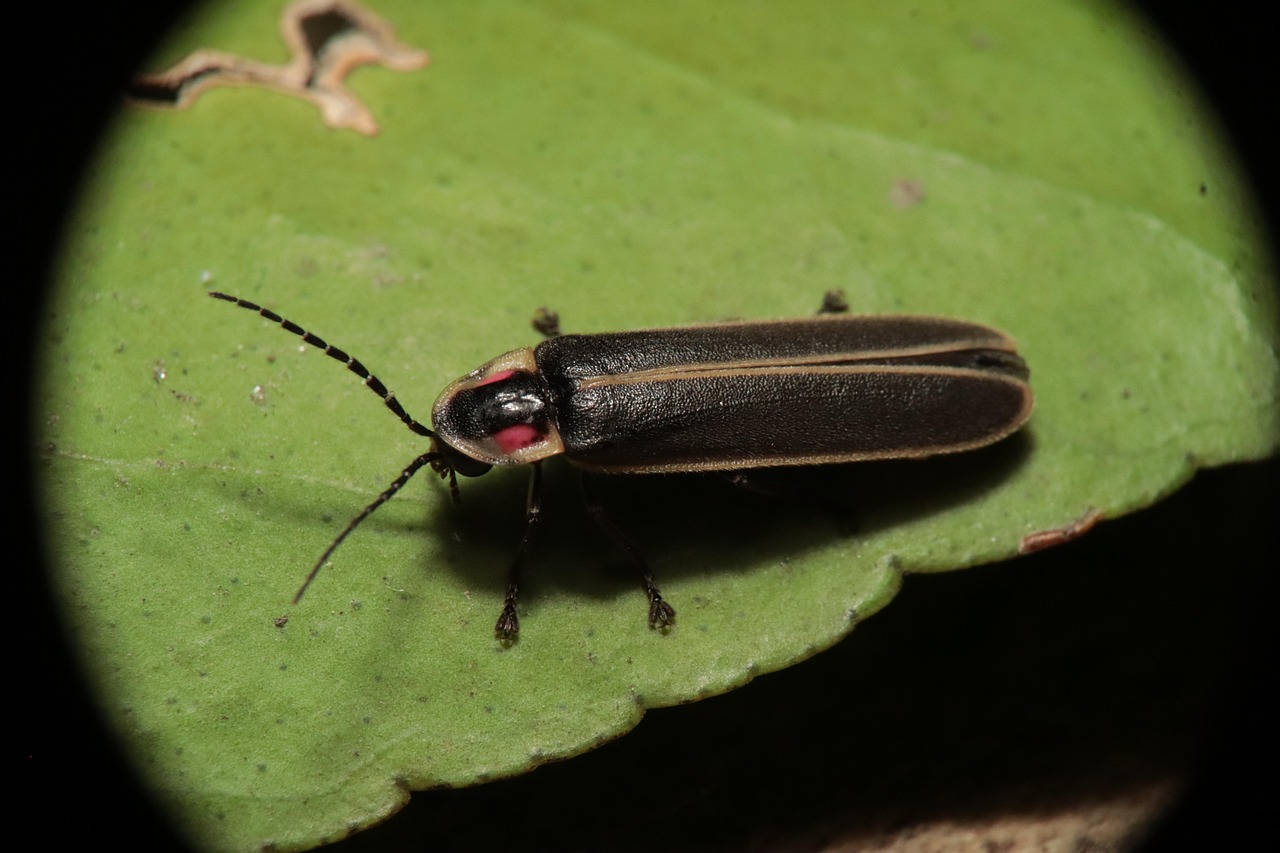
The soft yellow or green glow of a firefly is called bioluminescence, a chemical reaction inside the insect’s body that produces light. Fireflies use this glow mainly for communication. Each species has its own unique flashing pattern, which males use while flying to signal females waiting on the ground. The female responds with her own flash pattern, helping the pair find each other in the darkness. The glow can also serve as a warning. Fireflies contain defensive chemicals that make them unpleasant to eat, and their light signals to predators such as birds, frogs and bats that they are not a tasty meal.
Fireflies in Ontario
There are dozens of firefly species across eastern Canada, with roughly 19 species recorded in Ontario. They typically appear in June and July, lighting up grasslands, woodland edges, wetlands and backyard gardens just after dusk. Although adults may only live for a few weeks, most of a firefly’s life actually takes place on the ground. Eggs hatch into larvae, also called glowworms, that live in leaf litter or soil for up to two years. These larvae are predators that feed on slugs, snails and other small invertebrates before eventually transforming into the glowing adults we see on summer nights.
Why Fireflies Are Declining
In many places, people are noticing fewer fireflies than they remember from childhood. Several factors are responsible, especially habitat loss, pesticide use, and light pollution.
Artificial lighting is a major problem. Because fireflies depend on darkness to see each other’s flashes, outdoor lights can interfere with their ability to find mates. Even relatively low levels of artificial light can significantly reduce their flashing behaviour, which can lead to fewer successful matings.
Changes to landscapes also affect them. Fireflies need moist soils, tall grasses and leaf litter where their larvae can grow and hunt. Highly manicured lawns and heavily sprayed yards remove the habitat they rely on.
In many places, people are noticing fewer fireflies than they remember from childhood. Several factors are responsible, especially habitat loss, pesticide use, and light pollution.
Artificial lighting is a major problem. Because fireflies depend on darkness to see each other’s flashes, outdoor lights can interfere with their ability to find mates. Even relatively low levels of artificial light can significantly reduce their flashing behaviour, which can lead to fewer successful matings.
Changes to landscapes also affect them. Fireflies need moist soils, tall grasses and leaf litter where their larvae can grow and hunt. Highly manicured lawns and heavily sprayed yards remove the habitat they rely on.
How You Can Help Fireflies
The good news is that small changes in our yards and communities can help fireflies return.
A Small Light Worth Protecting
Fireflies are more than a charming summer spectacle. They are indicators of healthy ecosystems and thriving natural habitats. When we see their tiny lights blinking in the twilight, it is a reminder that even the smallest creatures play an important role in the balance of nature. Protecting dark skies, wetlands, and wild spaces ensures that future generations will still be able to step outside on a warm June evening and watch the fields sparkle with living light.
The good news is that small changes in our yards and communities can help fireflies return.
- Turn off unnecessary outdoor lights, especially during firefly season.
- Plant native plants and allow areas to stay a little wild.
- Leave some leaf litter and natural ground cover where larvae can live.
- Avoid pesticides, which can kill both fireflies and the insects they feed on.
A Small Light Worth Protecting
Fireflies are more than a charming summer spectacle. They are indicators of healthy ecosystems and thriving natural habitats. When we see their tiny lights blinking in the twilight, it is a reminder that even the smallest creatures play an important role in the balance of nature. Protecting dark skies, wetlands, and wild spaces ensures that future generations will still be able to step outside on a warm June evening and watch the fields sparkle with living light.
RESOURCES