Raccoons: Clever Neighbours Worth Understanding
Raccoons are among the most recognizable and adaptable wild mammals in Ontario. With their distinctive black "mask," ringed tail, and nimble front paws, they have earned a reputation as both charming and troublesome. Learning to appreciate raccoons, while also understanding how to prevent conflicts, is key to living alongside them successfully.
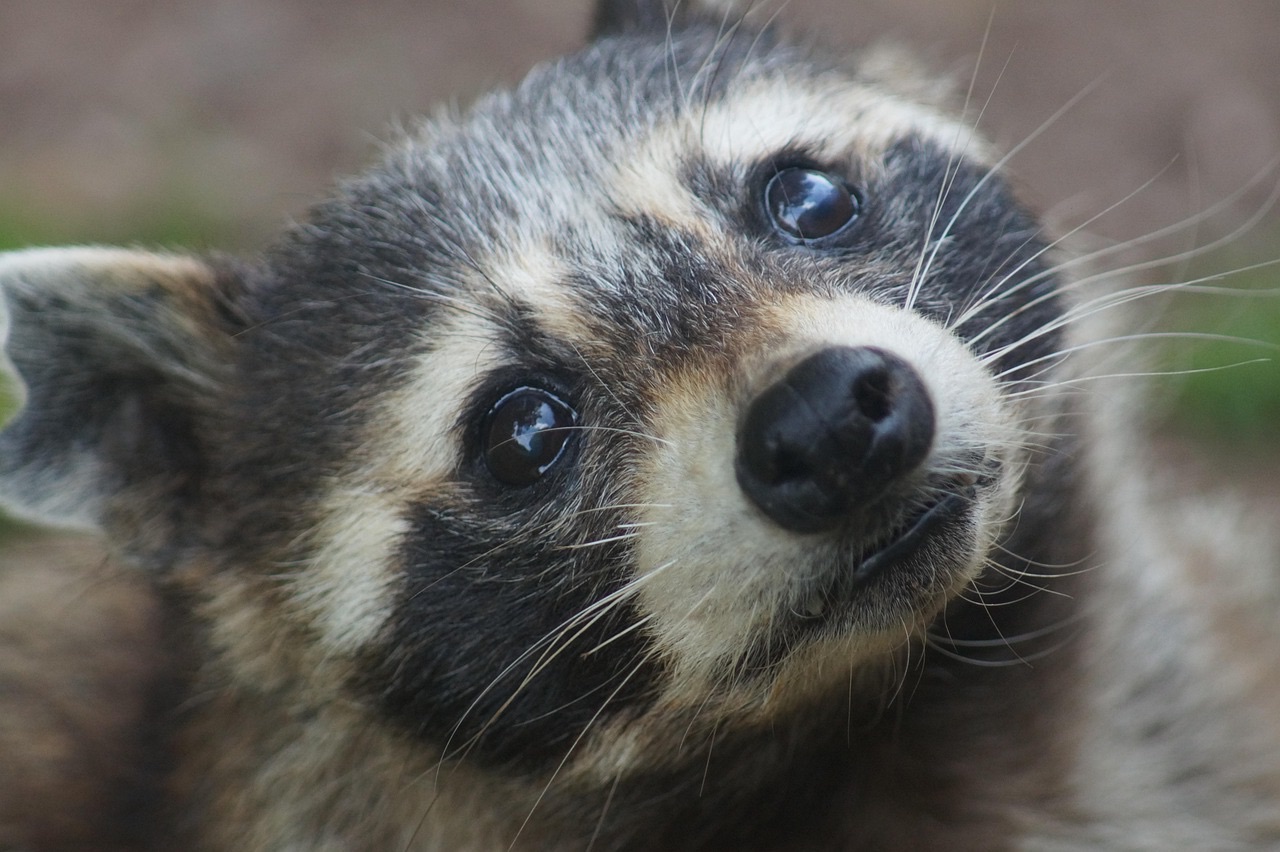
Raccoons are highly intelligent, curious animals with remarkable problem-solving abilities. Their sensitive, hand-like paws allow them to manipulate objects, open containers and forage efficiently. Omnivorous and opportunistic, they eat everything from fruits, nuts and insects to fish and small animals.
They are also important parts of local ecosystems. By consuming insects, rodents and carrion, raccoons help control pest populations and contribute to nutrient cycling.
Raccoons thrive in a wide range of environments, from forests and wetlands to suburban neighbourhoods and urban centres. Their success is largely due to their adaptability, and to the abundance of food and shelter that human environments unintentionally provide.
Common Conflicts
Despite their ecological value, raccoons often come into conflict with people. Their intelligence and persistence make them especially skilled at accessing human-related food sources.
Common Conflicts
Despite their ecological value, raccoons often come into conflict with people. Their intelligence and persistence make them especially skilled at accessing human-related food sources.
Common issues include:
Are Raccoons Dangerous?
Raccoons are generally not dangerous to people. They are shy, nocturnal animals that prefer to avoid confrontation. However, there are a few important considerations:
- Garbage raids - Tipping bins, opening lids, and scattering waste
- Compost disturbance - Feeding on food scraps
- Garden damage - Especially to corn and fruit crops
- Denning in buildings - Attics, chimneys, garages, sheds and under decks
- Property damage - Tearing shingles, soffits or vents to gain access
Are Raccoons Dangerous?
Raccoons are generally not dangerous to people. They are shy, nocturnal animals that prefer to avoid confrontation. However, there are a few important considerations:
- Rabies risk: Raccoons can carry rabies, which is present in parts of Southern Ontario. While cases are relatively rare, the disease is serious.
- Defensive behaviour: A raccoon may act aggressively if cornered, threatened or protecting its young.
- Pets at risk: Small pets may be vulnerable if left unattended at night.
Preventing Problems: What Works
The most effective way to deal with raccoons is to remove what attracts them and block access to shelter. Here are proven strategies:
Secure Your Home
Always ensure animals are gone before sealing openings
- especially May to July, when mothers may have young inside.
Best time to seal: Late fall (October-November)
What NOT to Do
Some common responses to raccoons can make the situation worse or cause harm:
Raccoons are not pests by nature - they are simply wildlife adapting to human-altered landscapes. When we reduce attractants and secure our homes, most conflicts disappear quickly. With a mix of respect, prevention and practical deterrence, it’s entirely possible to coexist with these intelligent and fascinating animals. Appreciating raccoons for what they are - resourceful survivors - helps shift the perspective from frustration to understanding.
The most effective way to deal with raccoons is to remove what attracts them and block access to shelter. Here are proven strategies:
Secure Your Home
- Cover openings in roofs, attics, chimneys, and eaves
- Install heavy-duty screening over vents
- Cap chimneys securely
- Check for entry points using flour (to detect tracks) or temporary plugs (to see if they’re removed)
Always ensure animals are gone before sealing openings
- especially May to July, when mothers may have young inside.
Best time to seal: Late fall (October-November)
Eliminate Food Sources
- Use tight-fitting lids on garbage and compost bins (secure with bungee cords or weights)
- Put garbage out only on collection day
- Clean up fallen fruit and bird seed
- Avoid leaving pet food outdoors
- Trim tree branches away from roofs
- Remove structures that provide climbing access
- Close off spaces under decks and sheds
- Motion-activated lights or sprinklers
- Ammonia-soaked rags near den sites (temporary deterrent)
- Noise or disturbance near active den entrances
What NOT to Do
Some common responses to raccoons can make the situation worse or cause harm:
- ❌ Do not trap and relocate
Relocated raccoons often die from stress, starvation or conflict with other animals, and it's illegal in Muskoka to relocate more than 1 km away. - ❌ Do not poison or use lethal methods
These are inhumane, dangerous to pets and other wildlife, and often unlawful. - ❌ Do not seal entry points with animals inside
This can trap young animals, leading to suffering and further damage as the mother tries to re-enter. - ❌ Do not feed raccoons
Feeding encourages dependency and increases conflict.
Raccoons are not pests by nature - they are simply wildlife adapting to human-altered landscapes. When we reduce attractants and secure our homes, most conflicts disappear quickly. With a mix of respect, prevention and practical deterrence, it’s entirely possible to coexist with these intelligent and fascinating animals. Appreciating raccoons for what they are - resourceful survivors - helps shift the perspective from frustration to understanding.
RESOURCES
- Appreciating raccoons
- Ontario Wildlife Rescue: Raccoon
- Hinterland Who’s Who: Raccoon
- BC SPCA: Raccoons
- Raccoons: Best Practices
- National Geographic Kids: Raccoon
- Encyclopedia Britannica: Raccoon
- Raccoons — Facts and Fancies
- Canadian Encyclopedia: Raccoon
- Hinterland Who’s Who: Dealing With Problems
- Raccoon
- Wikipedia: Raccoon
- Raccoons
- National Wildlife Federation: Raccoon