🌿 Welcome to Bird-Friendly Gardening
🥜 1. Provide Natural Food Sources - Birds are drawn to gardens rich with native, layered vegetation - trees, shrubs, and perennials - that provide shelter and nesting sites, and produce seeds, nectar, berries, and host insects birds eat
🌼 Great Plants to Grow - Consider adding a mix of native plants that provide food throughout the seasons. These are better suited to local conditions and provide appropriate food, unlike many non-native species:
- Milkweed – Nectar for hummingbirds and insect food; seeds and nesting material later in the season
- Red-Osier Dogwood - Berries and shelter for many bird species
- Perennials & Wildflowers - e.g. Purple coneflower, black-eyed susan, western arrow, sunflowers, bee balm and aster provide flowers for pollinators and seeds for birds
- Evergreen shrubs - e.g. Bearberry (Kinnikinnick) provides berries in fall and winter
- Native trees & shrubs - e.g. Serviceberry, elderberry, oak, birch, white spruce, eastern hemlock, dogwoods and viburnums provide seasonal fruits and insects
- Structure: Mix different heights - Tall trees, medium shrubs and low flowers - to suit various bird behaviours
💡 Tip: Grow plants that bloom and fruit at different times - this ensures food is available from spring through winter
🚰 2. Offer Water Year-Round - Water is essential for birds not just to drink, but to bathe and preen
- Use birdbaths or shallow water features with clean, fresh water
- A gently bubbling fountain or small pond attracts more birds
- In cooler climates, consider a heated birdbath so water stays unfrozen in winter
- Plant shrubs and trees densely. Create thickets for safety from predators and shelter from the elements
- Leave leaf litter and fallen branches - they harbour insects and nesting materials
- Install birdhouses and nesting boxes appropriate to local species
- Start by researching your region and garden conditions before planting
- Choose native plants adapted to your climate, soil, and moisture patterns
- Avoid pesticides and chemicals - they harm birds and insects
- Leave Seed Heads: Do not cut down perennials like sunflowers or cone-flowers in autumn; leave them for winter food
- On average, cats kill more than 100 million birds each year in Canada. Domestic cats are not native to any ecosystem, and allowing them to roam outdoors has a negative impact not only on birds, but other native wildlife populations as well
- Keep cats inside, or outside in a controlled environment by using a leash and harness or a Catio; it's best for native wildlife AND your cats. Plus, they're not so cuddly when they're outside!
- Find your Bird Garden Zone to choose the best plants for where you live
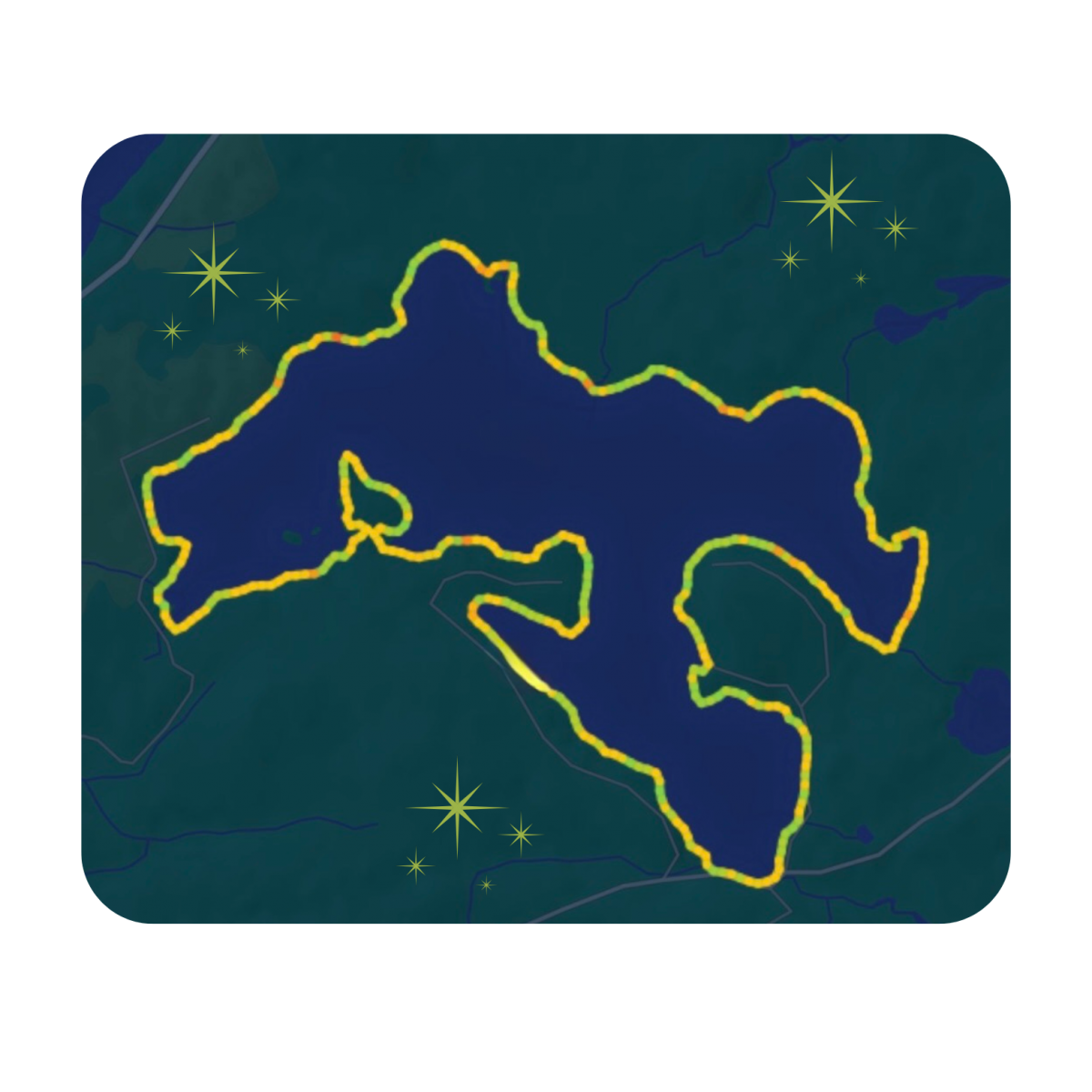
- Use an online plant database and plant selector to build a customized garden plan - NOTE: Echo Lake is in Bird Zone 5b
- Even small spaces like balconies or patios can become bird havens with the right plants
By designing a habitat that provides natural food, clean water, shelter, and nesting opportunities, your garden can become part of a larger conservation effort helping birds all year long - from local residents to migrants passing through. Gardening for birds isn’t just about what you plant; it’s about creating a living landscape that sustains wildlife and enriches your outdoor experience.
SOURCES: