This is an excerpt from Muskoka Watershed Council's publication "Living In Cottage Country: What You Need To Know"
As it was one of the handouts received from an on-site visit from The Natural Edge Program, we felt it was worth a special highlight:
More Great Plant Resources
in alphabetical order
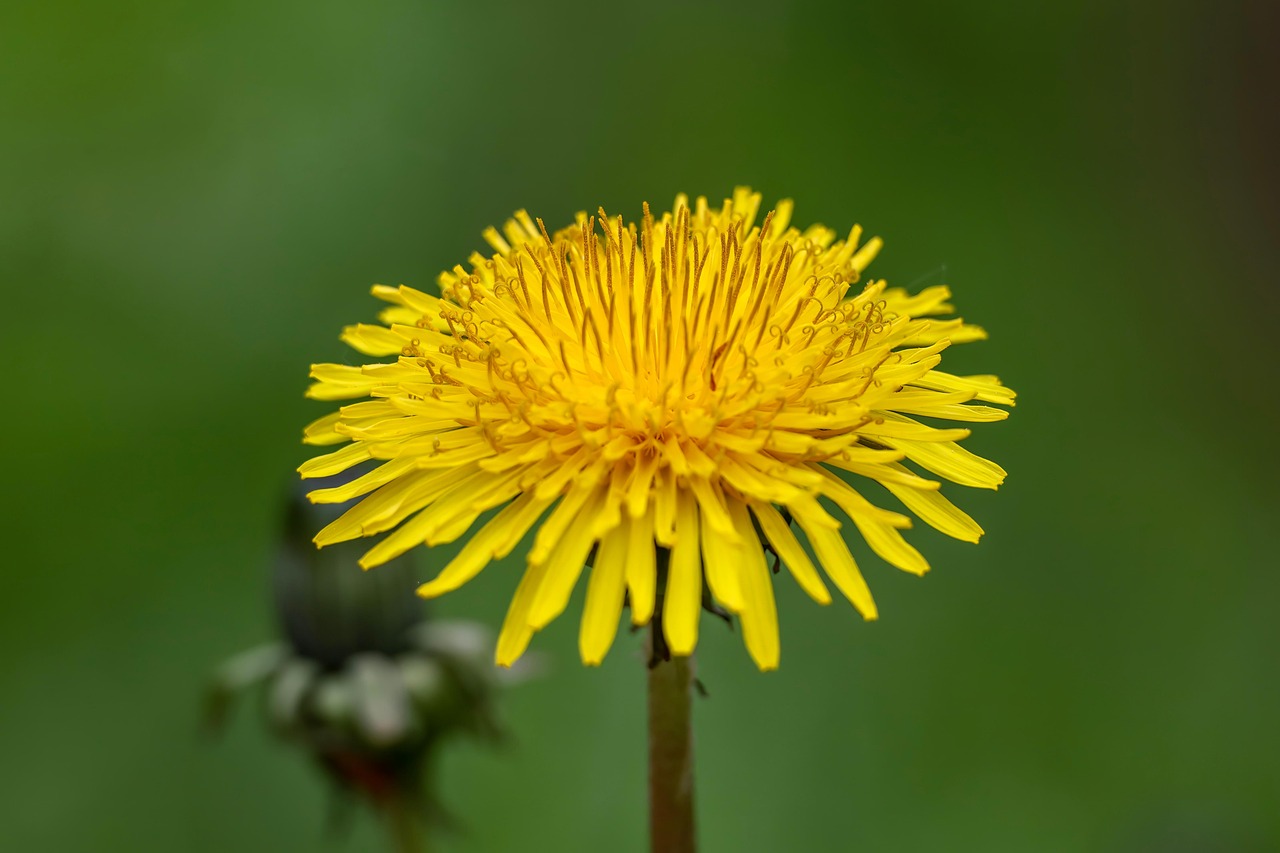
A Case For Dandelions ...
Many people mistake some native plants in Muskoka for being weeds, when in fact, they are an important attractant to butterflies, birds, bees, and other helpful pollinators.
Remember: A weed is simply a plant that’s located in an undesirable place. And not all introduced plants are invasive.
Arguably, a superstar among weeds when it comes to helping those first emerging bees in the Spring is the much-maligned but ever-so-important DANDELION! It may be a nuisance, but it does not pose a significant threat to native plants and their ecosystems.
Arguably, a superstar among weeds when it comes to helping those first emerging bees in the Spring is the much-maligned but ever-so-important DANDELION! It may be a nuisance, but it does not pose a significant threat to native plants and their ecosystems.
... And Goldenrods!
A hallmark of late-summer landscapes throughout North America, Goldenrod is often unfairly blamed for seasonal allergies.
It is so much more than a nuisance!
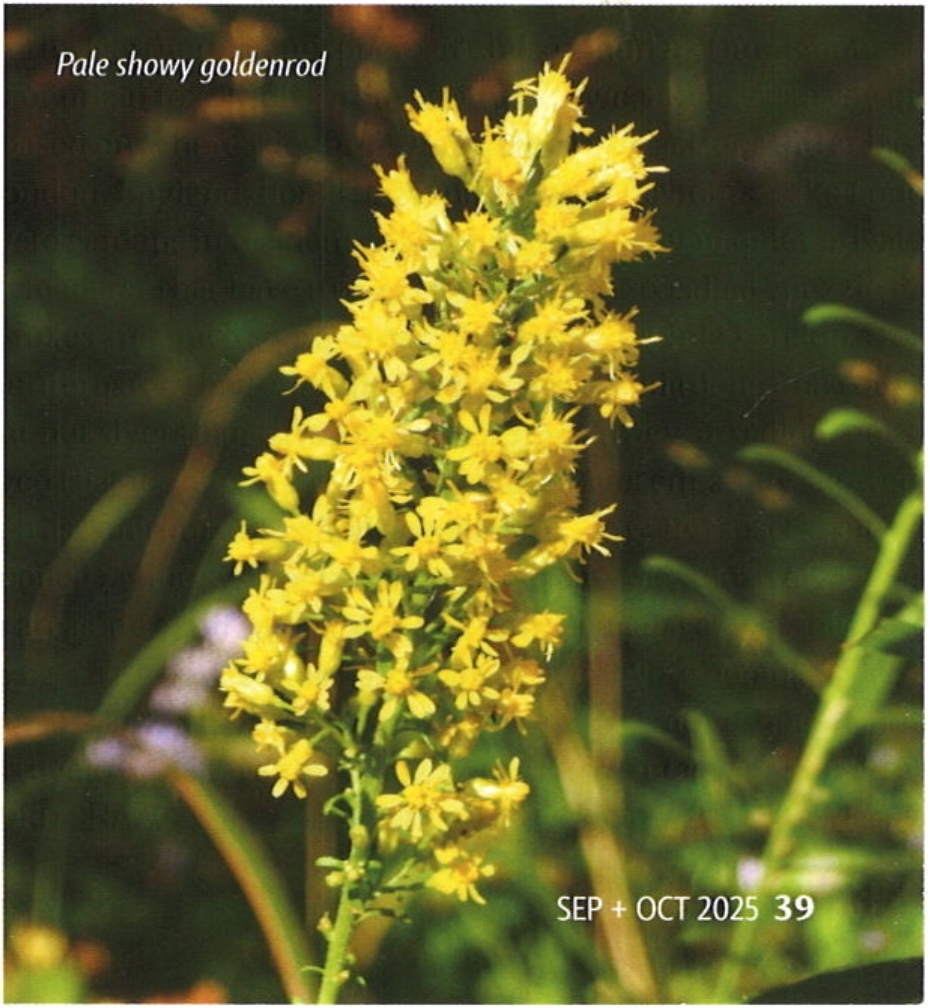
Pale Showy Goldenrod stands out for its striking beauty and its ecological significance. Common in the central and eastern United States, this species is found in only a few spots in Ontario. Its limited distribution in Canada highlights both its ecological value and conservation concerns about the remnants of tallgrass prairie where it grows.
What distinguishes Solidago Speciosa from other goldenrod species is its vibrant and dense inflorescence. It generally flowers from late July through September. The flower clusters are pyramidal and packed with bright yellow florets, giving it a more compact and eye-catching appearance than other goldenrods. Despite its name, "pale" refers to the hue of the stem and foliage rather than the rich golden-yellow flowers.
In Ontario, S. Speciosa is associated with tallgrass prairie ecosystems, oak savannas and dry open woods - each a rare and threatened habitat type in the province. These ecosystems are remnants of what once formed part of the broader Carolinian forest zone in southern Ontario. Pale showy goldenrod prefers well-drained, sandy or loamy soils and full sun, thriving in open conditions with minimal tree cover.
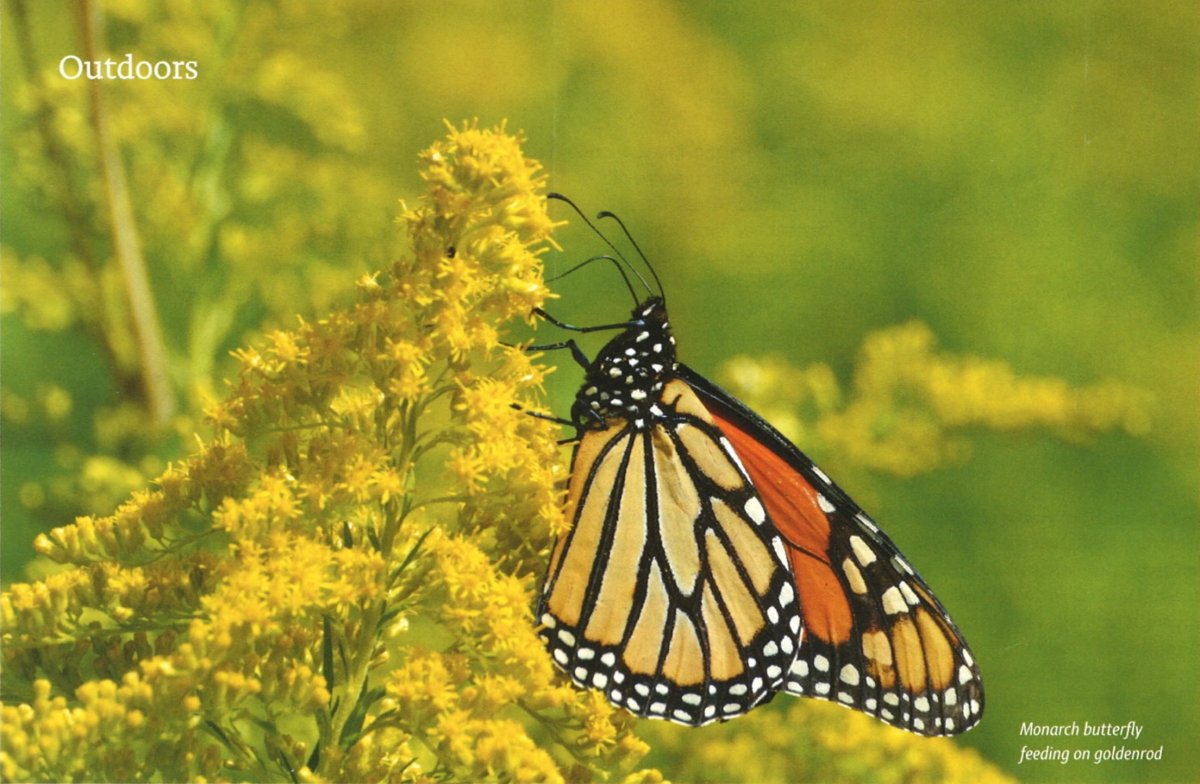
Goldenrods like S. Speciosa play a crucial ecological role. Their late-season blooms provide a vital nectar source for pollinators when few other plants are in flower. Bees, butterflies and even wasps and beetles are common visitors. Monarch butterflies, in particular, benefit from goldenrods as nectar sources during their fall migration to Mexico.
Goldenrods also serve as host plants for numerous insect species, including moth larvae and specialized bees. This biodiversity support makes them essential components of any native plant community.
Distribution in Ontario is limited and sporadic. Native to the province, its presence is restricted primarily to the southwest in now-rare pockets of tallgrass prairie and oak savanna - habitats that have been reduced to less than three per cent of their original extent due to agriculture, urban development and fire suppression (by allowing trees and shrubs to grow).
Because of its habitat specificity, S. Speciosa is a good indicator species: Its presence is often a sign of relatively undisturbed or well-managed sites with native vegetation.
Maintaining and expanding suitable habitat is crucial not only for S. Speciosa but for dozens of other rare or threatened species that share the same ecosystem, such as the eastern foxsnake (one of the province's largest snakes) and the monarch butterfly.
Gardeners choose S. Speciosa for its resilience and pollinator benefits: It is drought-tolerant, cold-hardy and resistant to pests and disease. Unlike some aggressive goldenrod species, S. Speciosa behaves well in gardens and does not spread invasively via rhizomes. Its vertical growth and showy flower heads add height and late-season colour to native plantings. When using it in restoration, it is important to source local seed or plant material to maintain genetic integrity and maximize ecological compatibility.
A striking yet understated symbol of Ontario's dwindling tallgrass prairie heritage, its vivid blooms are not only a visual delight but also a beacon for pollinators preparing for the long Canadian winter. Though not considered rare in its broader range, its Ontario populations are closely tied to ecosystems that are critically endangered.
Protecting and restoring these landscapes is essential for ensuring the survival of S. Speciosa and the web of life that depends on prairie and savanna habitats. Whether admired in the wild or cultivated in native gardens, this goldenrod is a reminder of what has been lost and a symbol of hope for ecological renewal.
— ALEX PARK
- PALE SHOWY GOLDENROD - SOLIDAGO SPECIOSA
Pale Showy Goldenrod ⁃ Not as aggressive as Canadian Goldenrod
Unlike the more aggressive Canada Goldenrod (Solidago Canadensis), Showy Goldenrod has smooth stems (not hairy),
leaves without prominent triple veins, and a more compact, upright flower
Pale Showy Goldenrod (Solidago speciosa), often referred to simply as Showy Goldenrod, is a tall, upright, native perennial (1–2 metres high) known for its dense, plume-like clusters of bright yellow flowers that bloom in late summer to fall. It is highly valued in gardening and ecological restoration for its non-aggressive nature compared to other goldenrods and its high value to pollinators.
Field Guide & Identification Characteristics
- Flowers: Bright yellow flowers arranged in a dense, cylindrical, or club-shaped plume (panicle) at the top of the stem, often 30–60 cm long. They bloom from September to October.
- Stems: Rigid, unbranched (or rarely branched), and usually smooth (glabrous), often reddish-green.
- Leaves: Alternate, thick, and smooth-edged (entire or minutely toothed), with lower leaves being much larger and egg-shaped (up to 15 cm long) compared to the smaller, lance-shaped upper leaves.
- Roots: Fibrous with short rhizomes, forming thick clumps, but it is not considered highly aggressive.
- Height: Generally 3–5 feet (90–150 cm) tall.
- Habitat: Prefers full sun and dry to medium, well-drained, sandy or gravelly soils. It is often found in open oak savannahs, prairies, dry forests, and road right-of-ways.
- Ecological Value: A vital late-season nectar source for migrating Monarch butterflies, bees, wasps, beetles, and moths. It is also a larval host for various moths.
- Distribution: Native to eastern North America, with specific populations in Ontario, Canada, considered rare or at risk.
- Light: Full sun is best, though it tolerates partial shade.
- Soil: Dry to average, well-draining soil is preferred; it does not tolerate wet, heavy clay.
- Maintenance: Generally low maintenance, but may need to be cut back in early summer ("Chelsea Chop") if it becomes too tall and tends to flop in rich soil.
- Best grown from seed, which requires 2 months of cold stratification.