Cicadas, Earthworms & Earwigs ... No relation. Just because
and a special note on red wigglers (worm composting) - no horror story here
CICADAS
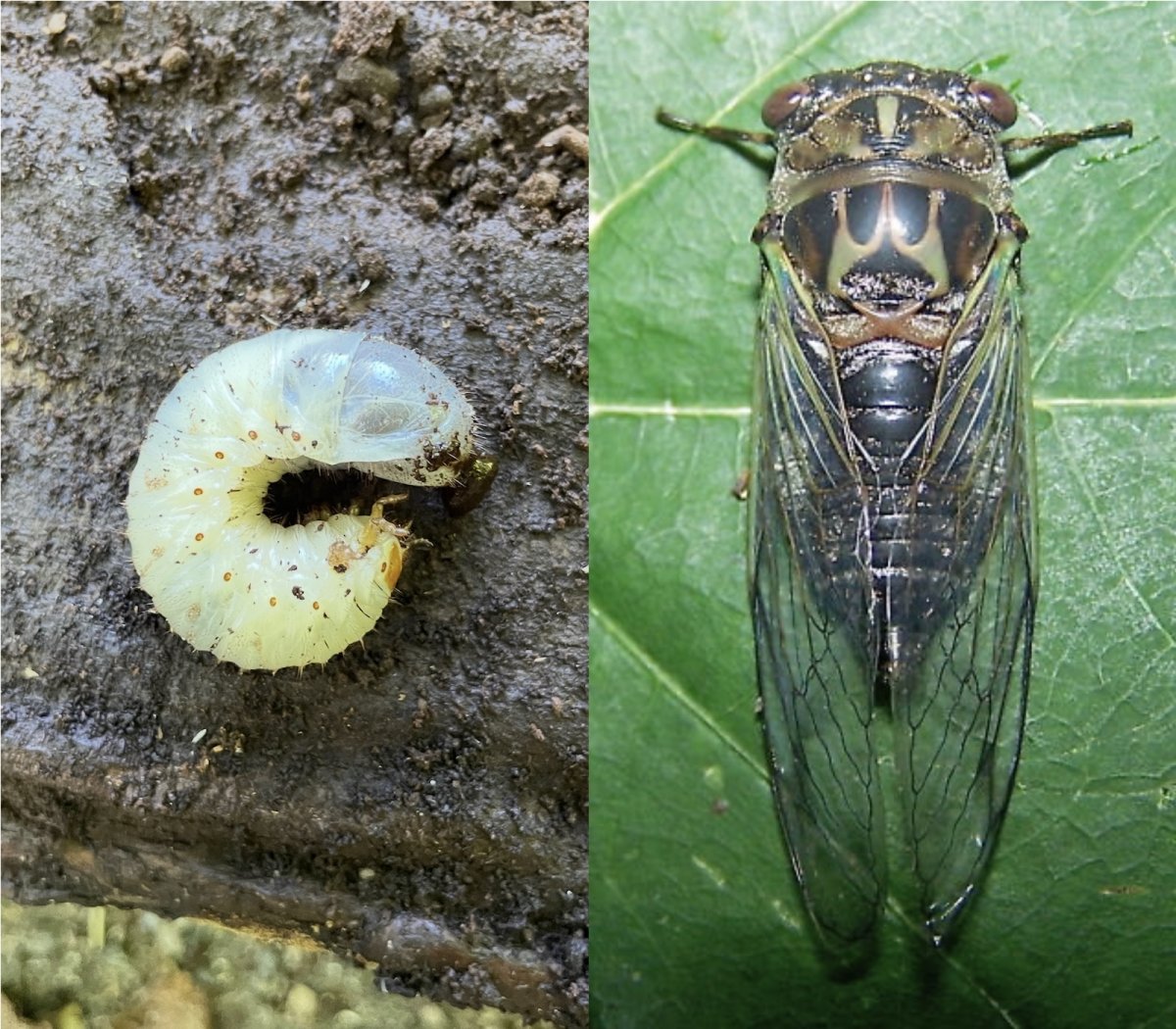
If you are expecting hoards of cicadas to emerge in your backyard every 13 to 17 years, you'll be surprised to learn that Periodical cicadas are found exclusively in the eastern and central United States.
The cicadas here in Muskoka are primarily the annual 'dog-day' variety, so-called because they emerge yearly from August through September (the dog days of summer).
Dog-day cicadas, like other annual cicada species, produce a loud, buzzing drone in trees - how many of us thought we're hearing power lines??
While they are large and noisy, they are not considered pests and do not harm gardens. They are a normal part of the late summer landscape.
Key Facts About Cicadas in Muskoka:
- Species: The most common type is the dog-day cicada (Neotibicen Canicularis).
- Timing: They are heard and seen during hot days in late summer, specifically from August through September.
- Appearance: These insects are generally green and brown.
- Behaviour: The males produce a loud, buzzing sound (up to 120 decibels) from trees to attract mates.
- Lifecycle: Unlike the 13 or 17-year periodical cicadas found in the U.S., these are annual, although individual nymphs live underground for 3-5 years before emerging.
- Impact: They are harmless to humans (no biting or stinging) and cause little to no damage to trees.
Resources:
EARTHWORMS
The Good News
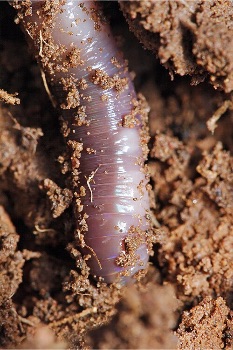
- Soil Aeration: Earthworms create tunnels, or "macro-pores," that aid the movement of water, oxygen, and nutrients through the soil, which is crucial for root growth.
- Nutrient Cycling: They decompose organic matter (like leaves and manure), transforming it into nutrient-rich castings that improve soil structure.
- Increased Fertility: Their castings are a valuable source of essential nutrients, including phosphorus, potassium, nitrogen, calcium, and magnesium.
- Improve Drainage: Their tunnelling activity helps improve soil drainage in compacted areas, which is advantageous for farming and gardening.
- Damage Forest Ecosystems: Non-native earthworms can destroy the "duff" layer in forests, leading to the loss of seedlings, wildflowers, and fungi, which can alter the entire ecosystem.
- Increase Erosion: While their tunnels help drain water, they can sometimes cause increased soil erosion by accelerating water runoff, especially on slopes or in areas with little, or no, ground cover.
- Lumpy Lawns: In urban settings, their burrowing activities can lead to lumpy or uneven lawns.
- Invasive Species Issues: Species like the "jumping worm" can turn soil into dry, coffee-ground-like granules that are inhospitable to plants. Hammerhead worms are predators of earthworms and mollusks (such as land snails and slugs) which provide important ecosystem services, especially the regulation of soil processes.
Resources:
EARWIGS
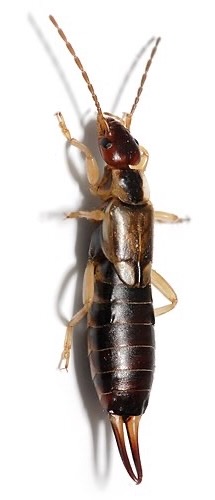
Earwigs are generally harmless to humans and beneficial to gardens by eating pests like aphids, mites, and decaying matter. However, they can become a nuisance by damaging seedlings, soft fruits, and flowers (especially dahlias and marigolds). They are not poisonous, though their pincers can produce a minor pinch.
Good Things About Earwigs
Good Things About Earwigs
- Natural Pest Control: They eat aphids, mites, nematodes, and insect larvae.
- Garden Cleanup: They act as decomposers, feeding on decaying organic matter.
- Harmless to Humans: Despite myths, they do not crawl into ears to lay eggs.
- Low Impact: They generally do not cause significant damage unless their population is extremely high.
- Plant Damage: They feed on tender shoots, leaves, flowers, and soft fruits like strawberries.
- Household Nuisance: They can invade homes in search of cool, moist, dark places.
- Pincers: While not toxic, they can use their rear pincers for defence.
- Odour: They can emit a slight, unpleasant odour when crushed.
To reduce their presence, keep the garden dry, remove debris (leaves, boards), and use traps like damp rolled-up newspaper or cardboard.
Resources:
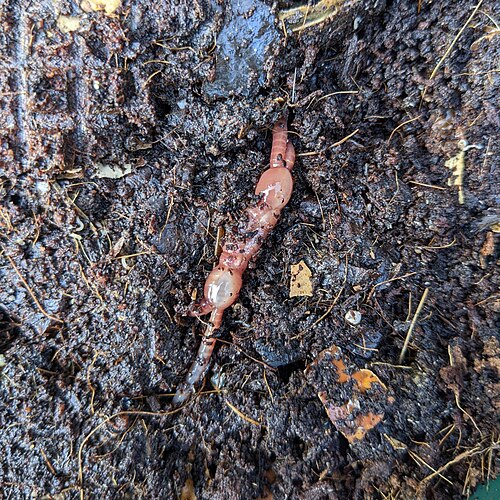
A SPECIAL NOTE ABOUT VERMICOMPOSTING WORMS (i.e. Red Wigglers)
Vermicomposting worms (typically Red Wigglers) are not harmful to humans, pets or household structures if they escape or get loose. They do not bite, sting, carry diseases or eat through wood or drywall.
Here is what you need to know about 'loose' composting worms:
- Environmental Impact: If they escape into your house, they will likely die quickly because they need a very moist, dark environment (around 70-90% moisture). They will not survive in dry, open air.
- Garden Impact: If they escape into your garden, they generally will not survive in many climates (especially cold, northern zones) because they are surface dwellers that prefer manure and compost piles, not deep soil. They are unlikely to become an invasive pest in your lawn.
- Why They Escape: A few worms wandering is normal, but a mass exodus usually means the environment is too wet, too dry, too hot or that there is an, or low oxygen.
- Preventing Escapes: Keep the bin covered, ensure the bedding is like a 'wrung-out sponge,' and avoid overfeeding.
In 2025, the Baysville Horticultural Society held a very engaging event called 'Soil Superheroes' presented by Rosanna Ruppert. Rosanna has been successfully diverting kitchen waste for decades using vermicomposting, and more recently integrated Bokashi composting into her routine. The powerful combination means very little truly goes to waste. After reading about invasive worms and the damage earthworms cause in forests, you can be rest assured that worm composting poses no risk to our ecosystem. Feel free to reach out to Rosanna, her LinkedIn page is below or email her at rosanna.ruppert@hotmail.com.
Resources: