Safety, Preparedness & Outdoor Living
Outdoor living comes with unique risks from wildfires to wildlife encounters. Understanding these hazards helps protect your property and your safety.
Weather & Seasonal Hazards
- Ice storms and power outages
- Flooding and high water levels
- Extreme heat or cold
- Black ice and hazardous driving conditions
After storms & Power outages
Severe weather, including ice storms, can leave behind dangerous conditions.
Be cautious of:
- Downed power lines (stay at least 10 metres away)
- Falling branches or unstable trees
- Blocked roads and limited access
- Backup lighting and batteries
- Non-perishable food and water
- A way to receive updates (e.g. battery-powered radio)
Outdoor hazards: Stay aware
Nature is part of the experience, but it comes with risks. Being aware helps you stay safe.
Ticks
- Wear light-coloured clothing and use repellent
- Check yourself after time outdoors
- Store food securely
- Never leave garbage accessible
- Learn to identify it
- Avoid contact and wash exposed skin quickly
- Wear proper footwear
- Carry a basic first aid kit
- Let someone know your plans when heading out
Did You Know?
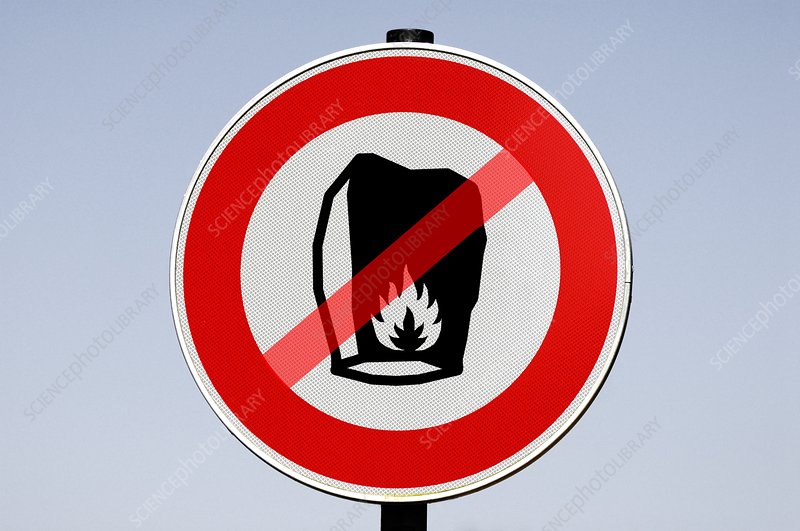
Flying Lanterns (also known as “sky lanterns”, "Chinese lanterns" or “fire lanterns”) are not safe in cottage country at any time!
The risk exists when these lanterns return to the ground still alight. They are flammable, so the potential for fire is imminent, especially if they land on flammable vegetation, forests, or structures. This threat multiplies when they are set off en masse at events like weddings to enhance the visual effect. Though their frame may burn out quickly, the flame source remains lit long after impact. Their uncontrolled flight path means they can land anywhere, causing numerous forest, field, and house fires worldwide.