Birds of Prey in Muskoka
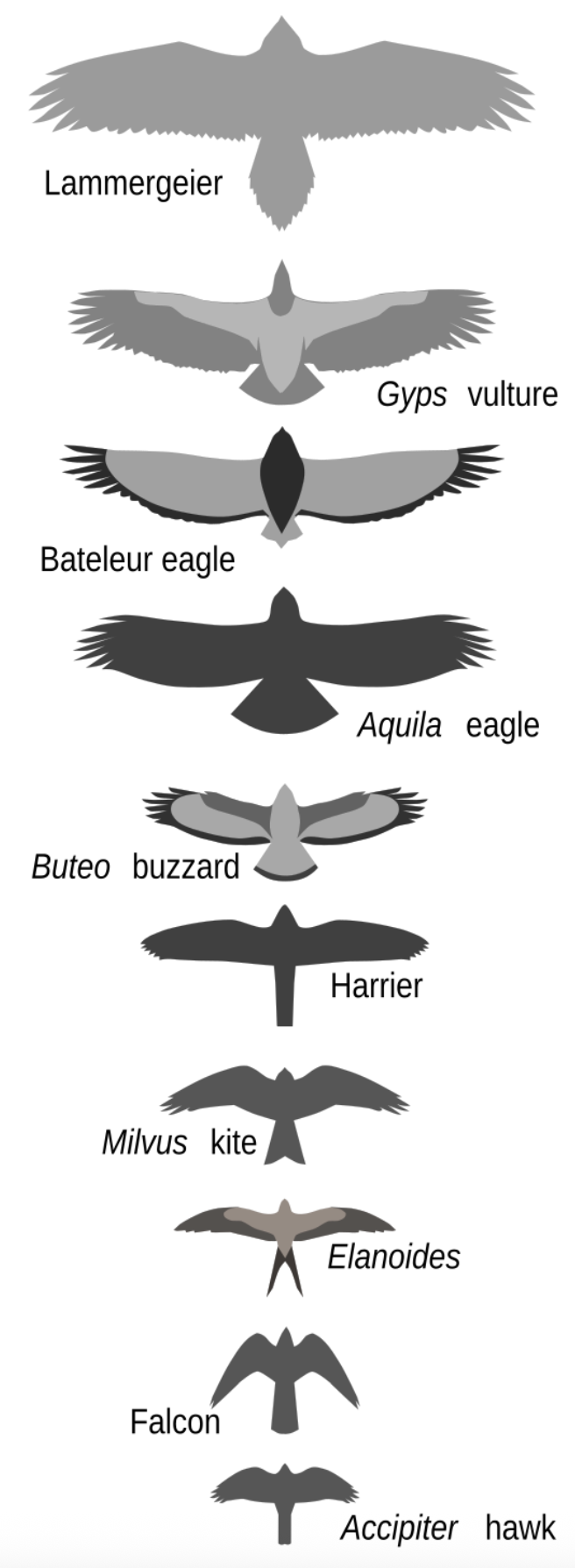
Birds of prey, also called raptors (which means "to grasp or seize"), are some of the most impressive wildlife found in Muskoka. These birds include hawks, eagles, falcons and owls. They are specialized hunters with sharp talons, hooked beaks and exceptionally keen eyesight that helps them spot prey from great distances.
Raptors play a critical role in nature. By hunting weak, sick, or abundant prey animals, they help keep wildlife populations balanced. Because they sit near the top of the food chain, their presence is also a sign of a healthy environment. If birds of prey are thriving in an area, it usually means the ecosystem below them (plants, insects and small animals) is also doing well.
Many hunt during the day (hawks, falcons, eagles), while most owls hunt at night.
Seeing hawks circling overhead or hearing an owl at night is more than just a memorable Echo Lake experience; it’s a sign that our area is still supporting a rich web of life.
Raptors play a critical role in nature. By hunting weak, sick, or abundant prey animals, they help keep wildlife populations balanced. Because they sit near the top of the food chain, their presence is also a sign of a healthy environment. If birds of prey are thriving in an area, it usually means the ecosystem below them (plants, insects and small animals) is also doing well.
Common species in our region include:
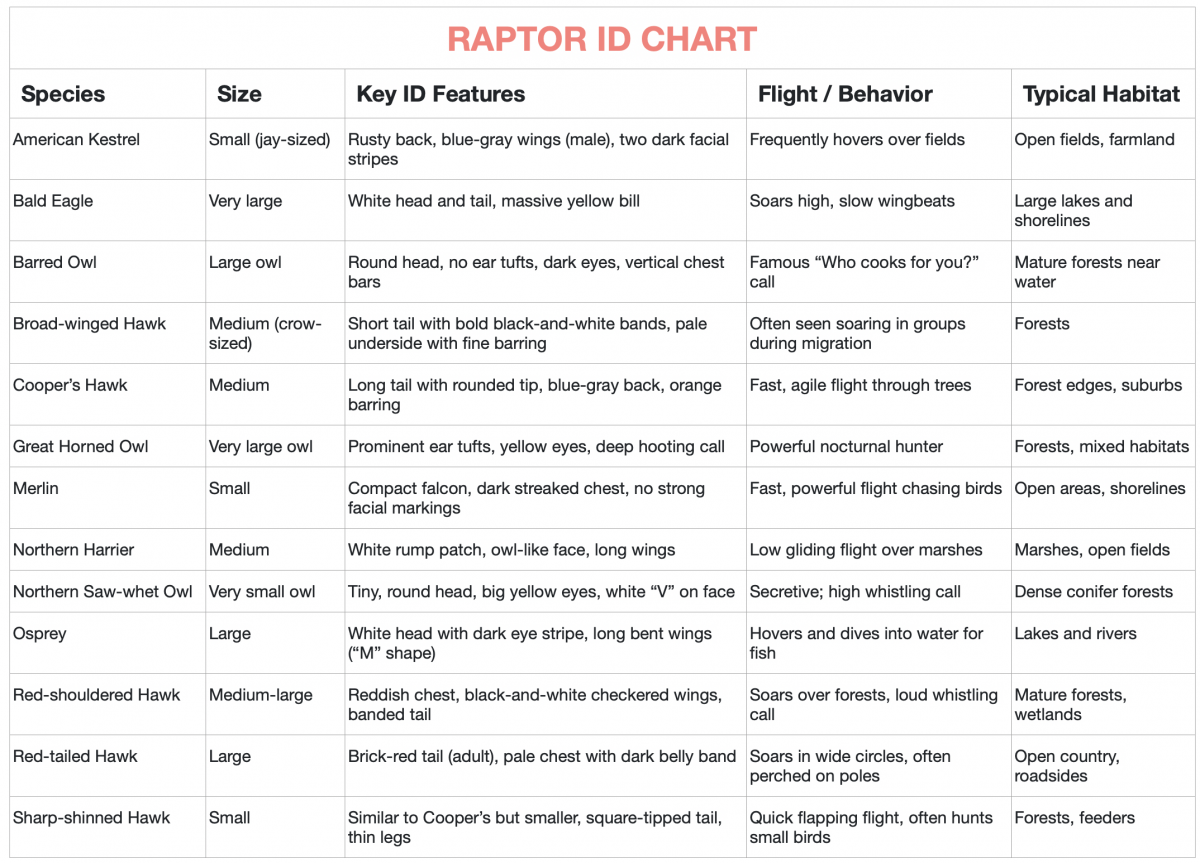
- Broad-winged Hawk: One of the most common breeding hawks in the area. They are known for gathering in large groups, or "kettles," during fall migration.
- Red-tailed Hawk: The most common large hawk frequently spotted perched along roadsides and in open areas.
- Red-shouldered Hawk: Uses the heavily forested southern Canadian Shield, specifically in Muskoka, Parry Sound and Haliburton as a stronghold. They are often heard calling in woodlands.
- Cooper’s Hawk: A medium-sized, woodland-dwelling hawk, often preys on birds near bird feeders.
- Sharp-shinned Hawk: The smallest hawk in the region, known for its rapid, fluttery flight and for stalking backyard feeders.
- Osprey: A common, large, fish-eating raptors, also called "Fish Hawks" frequently seen soaring over water. They nest in high, conspicuous stick nests on utility poles, trees and specially installed platforms.
- Bald Eagle: Formerly rare but now increasingly common.
- Northern Harrier: Frequently found hunting low over marshes and open fields, particularly during migration from late summer through fall.
- American Kestrel: The most common small falcon, found in open areas.
- Merlin: Small, fast falcons that have increased in population, often found in wooded areas, parks, and near water.
- Owls: Various species are found in Muskoka, including the Barred Owl (commonly heard), Great Horned Owl (large, widespread), and the Northern Saw-Whet Owl.
Birds of prey have several adaptations that make them formidable hunters:
- Exceptional vision for spotting prey from high in the air
- Powerful talons for grasping animals
- Hooked beaks for tearing food
- Silent or fast flight to surprise prey
DID YOU KNOW? Ospreys and owls are the only raptors with a fully reversible outer toe? They perch with three toes forward and one backward, like most raptors, but when holding a fish, they swivel the outer toe back for a "two forward, two back" approach. This gives them an excellent hunting success rate (birdscanada.org).
Seeing hawks circling overhead or hearing an owl at night is more than just a memorable Echo Lake experience; it’s a sign that our area is still supporting a rich web of life.
Protecting habitats and avoiding poisons or pesticides helps ensure
that these magnificent birds continue to thrive in Muskoka.
Additional Resources