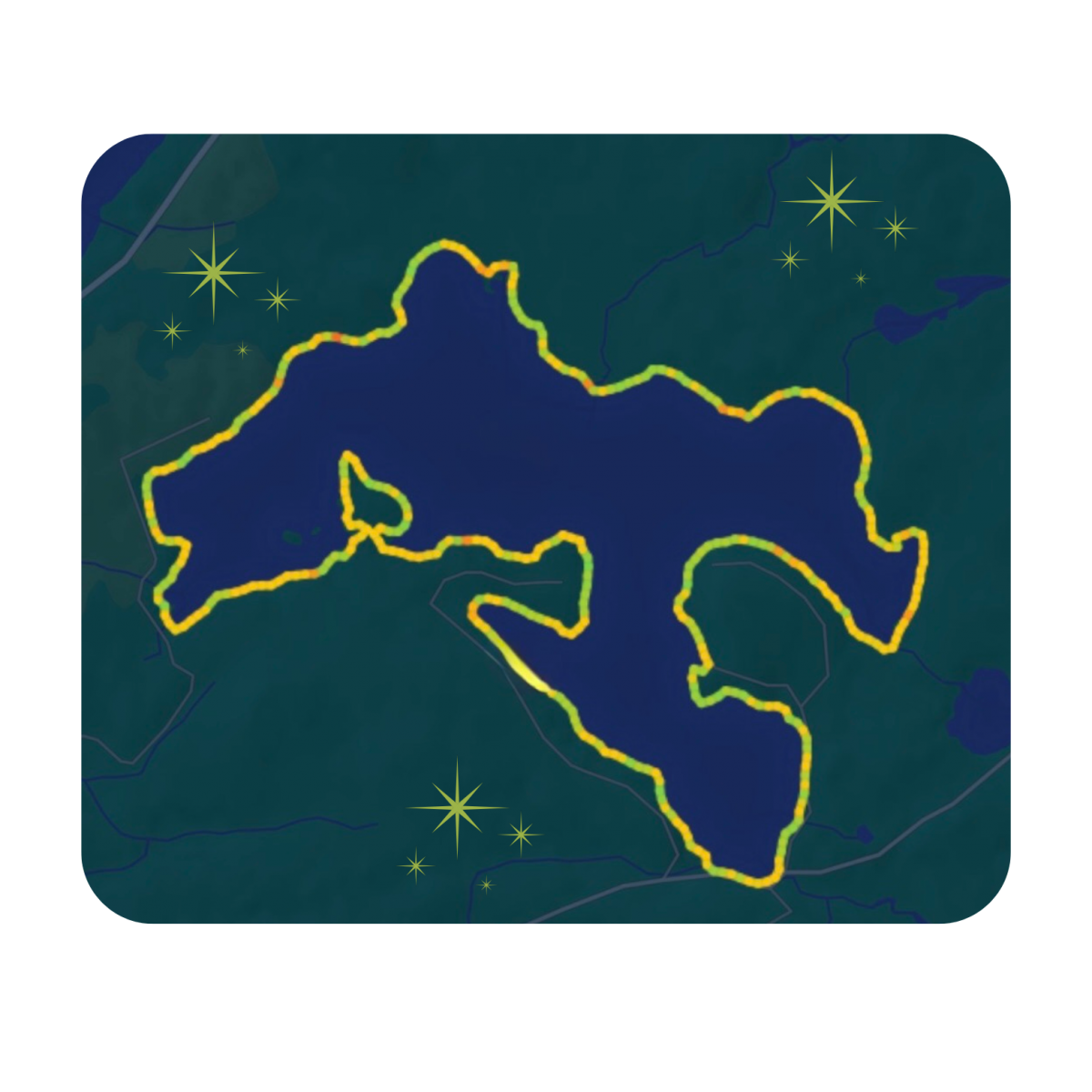
Muskoka’s Rabbits Of Forest And Field
Muskoka's landscape - Dense forests, wetlands and open clearings - are home to the elusive Snowshoe Hare and the adaptable Eastern Cottontail.
While often grouped together, hares and rabbits have distinct lifestyles, appearances, and survival strategies that reflect the habitats they call home
Living Side by Side in Muskoka
The Snowshoe Hare dominates forested areas, while the Eastern Cottontail is more likely to be seen around open spaces and human settlements. Though less common, the non-native European hare (often called a jackrabbit) occasionally appears south of Muskoka but is rare in the region. Together, these species highlight the diversity of adaptations within lagomorphs.
The Snowshoe Hare dominates forested areas, while the Eastern Cottontail is more likely to be seen around open spaces and human settlements. Though less common, the non-native European hare (often called a jackrabbit) occasionally appears south of Muskoka but is rare in the region. Together, these species highlight the diversity of adaptations within lagomorphs.
From the snowshoe hare’s winter camouflage to the cottontail’s ability to thrive near people, each plays a role in Muskoka’s ecosystems, serving as important prey species and contributors to the balance of local wildlife communities.
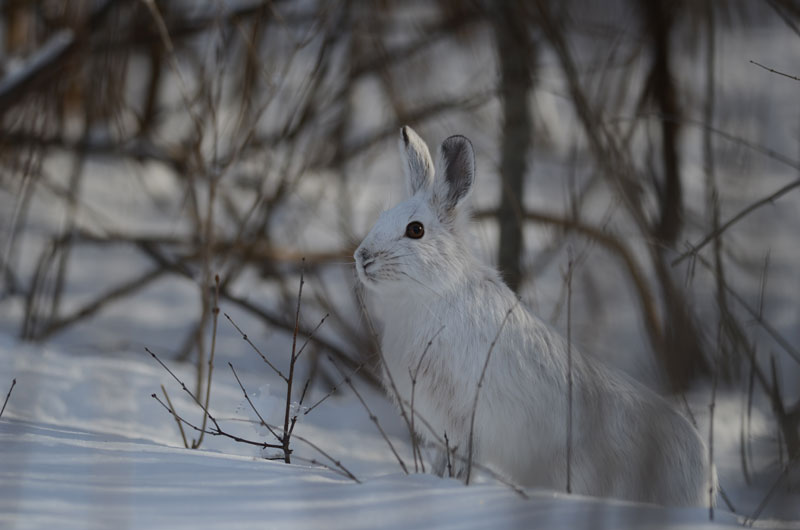
The Snowshoe Hare
More elusive than the Easter Bunny
Beginning as a reddish-brown in spring and summer, the Snowshoe Hare undergoes one of nature’s most remarkable seasonal transformations. As winter approaches, its coat turns bright white providing essential camouflage against snow-covered landscapes and helping it evade predators.
Built for Winter Survival
The Snowshoe Hare is perfectly adapted to Muskoka’s harsher environments:
Where to Spot Them
Snowshoe Hares are typically found in:
Built for Winter Survival
The Snowshoe Hare is perfectly adapted to Muskoka’s harsher environments:
- Colour-changing fur: Brown in warmer months, white in winter for camouflage
- Oversized hind feet: Thickly furred and wide, acting like natural snowshoes to keep them from sinking into deep snow
- Powerful legs: Built for speed, allowing quick escapes from predators such as lynx, foxes and owls
Where to Spot Them
Snowshoe Hares are typically found in:
- Coniferous and mixed forests
- Cedar swamps
- Areas near lakes and wetlands

The Eastern Cottontail Rabbit
The backyard neighbour
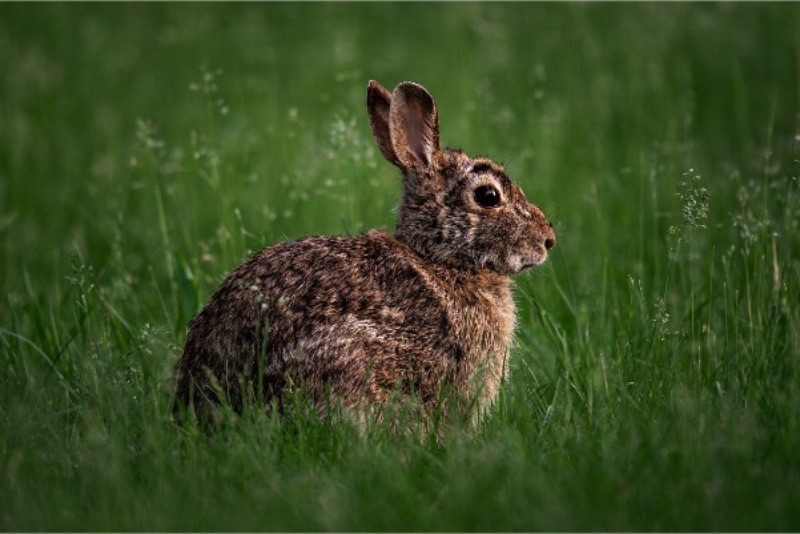
Unlike the snowshoe hare, the Eastern Cottontail is more familiar to people living in southern Ontario and increasingly in parts of Muskoka. Smaller and less specialized for deep snow, cottontails thrive in edge habitats where natural and human environments meet.
Key Characteristics
Where to Spot Them
Eastern Cottontails are most often found in:
Key Characteristics
- Consistent colouring: Brown year-round, with no seasonal coat change
- Shorter ears and legs: Compared to hares, giving them a more compact appearance
- Signature tail: A fluffy white "cotton" tail that flashes when they run
Where to Spot Them
Eastern Cottontails are most often found in:
- Meadows and grassy openings
- Brushy fencerows and thickets
- Residential yards and gardens
tracks in the snow
In winter, both species leave behind a telltale pattern:
- Two large hind footprints landing ahead
- Two smaller front prints behind
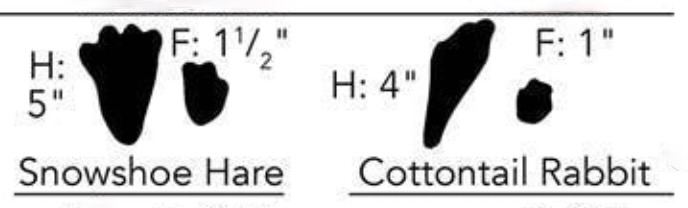
Source: mass.cov/masswildlife
RESOURCES
- Hinterland Who’s Who: Snowshoe Hare
- Canadian Encyclopedia: Hares In Canada
- Canadian Encyclopedia: Rabbit
- Canadian Encyclopedia: Lagomorpha
- Ontario Wildlife Rescue: Rabbit
- 11 Fun Lagomorph Facts
- Prowling for winter wildlife in Muskoka
- National Wildlife Federation: Snowshoe Hare
- Muskoka’s Wildlife: The Animals Of Ontario’s Cottage Country
- Rabbit versus hare: how to tell what you're looking at