Think Habitat — Not Just Flowers
Simple choices like planting native species, eliminating pesticide use,
and leaving natural habitat can make a big difference.
Pollinators such as bees, butterflies, moths, flies, beetles, and hummingbirds play a vital role in healthy ecosystems. They help plants reproduce, support wildlife, and contribute to the natural beauty of our forests, gardens, and shorelines. Across Ontario, pollinator populations are declining due to habitat loss, pesticide use,
climate change, and overly tidy landscapes. The good news is that small actions by property owners can make a meaningful difference.
When many people take action, individual properties create a connected network of habitat that supports pollinators throughout the watershed.
Pollinators Need Three Basic Things:
- Food from early spring through late fall
- Places to nest (soil, stems, wood, or leaf litter)
- Shelter from wind, weather, and temperature extremes
Plant Native And Provide Continuous Bloom
Native plants are the best choice because they evolved alongside local pollinators and provide the right nectar and pollen at the right times.
Planting Tips
- Choose species native to Muskoka
- Plant a variety that blooms from spring through fall
- Group the same plants together for easier feeding
- Avoid invasive species and highly modified or double flowers
Spring: Willows, serviceberry, wild columbine
Summer: Bee balm, black-eyed susan, milkweed, blue vervain
Fall: Asters, goldenrod, joe pye weed
Summer: Bee balm, black-eyed susan, milkweed, blue vervain
Fall: Asters, goldenrod, joe pye weed
Late-season flowers are especially important for migrating monarchs and for bees preparing for winter.
Native Trees And Shrubs Matter Too
Woody plants provide important early-season nectar and habitat. Good choices include:
Native Trees And Shrubs Matter Too
Woody plants provide important early-season nectar and habitat. Good choices include:
- Willows (critical early spring food)
- Serviceberry
- Basswood / Linden
- Red-osier dogwood
- Ninebark
- Highbush cranberry
Provide Water And Shelter
Support Monarch Butterflies- Place a shallow dish of water with stones for landing
- Maintain a mix of grasses, flowers, shrubs, and trees
- Leave small brush or rock piles where appropriate
- Plant native milkweed (common or swamp milkweed)
- Avoid mowing milkweed patches during the growing season
- Provide nectar plants that bloom into late summer and fall
- Convert unused lawn areas to native plant beds
- Allow clover or wildflowers to grow in parts of the lawn
- Mow less often where possible
- Leave a small area unmowed as a pollinator patch or natural meadow
Avoid Pesticides
- Avoid chemical pesticides whenever possible
- Use natural or manual controls first
- Spot-treat only when necessary
- Never apply pesticides to blooming plants
Spring & Fall Clean-Up
Many pollinators and beneficial insects spend the winter in leaf litter, hollow stems, and soil. Thoughtful seasonal maintenance helps protect them.
General Guidelines
- Delay major clean-up until daytime temperatures are around 10°C (50°F) for several days so overwintering insects can emerge.
- Tidy gradually and only where necessary.
- Leave fallen leaves in garden beds unless they are smothering plants; if too thick, move them to another natural area.
- Cut back some stems but leave others standing (about 30 cm / 12 in) for nesting bees.
- Minimize digging and soil disturbance until late spring.
- Watch for overwintering cocoons or chrysalises before removing debris.
- Wait to clean: Delay tidying until mid-spring to allow insects to emerge from leaf litter and stems.
- Leave the leaves: Keep leaves in garden beds as mulch, or move extras to a natural area or brush pile.
- Trim responsibly: Cut back perennials to 20–38 cm (8–15 in) rather than to the ground to preserve nesting habitat.
- Protect soil life: Avoid heavy turning or tilling, which can harm ground-nesting bees.
- Clear turf only: Rake leaves off lawns to prevent damage, but leave them in garden beds.
- Leave the leaves: Allow leaves to remain in flower beds as a natural insulating layer for insects and larvae.
- Keep stems standing: Leave plant stalks and seed heads for winter shelter and bird food.
- Minimize pruning: Remove only dead, diseased, or hazardous material.
- Create habitat: Pile twigs, stems, and leaves in a quiet corner to provide overwintering sites.
- Avoid pesticides: Skip chemical treatments that can harm beneficial insects and pollinators.
When it comes to spring clean-up, think: Later, Lighter, and Less.
Let Nature Be A Little Messy
Natural materials that are often removed actually provide important habitat:
Let Nature Be A Little Messy
Natural materials that are often removed actually provide important habitat:
- Leaf litter shelters butterflies, beetles, and other insects
- Hollow stems provide nesting sites for native bees
- Undisturbed soil supports ground-nesting species
- Logs and woody debris support insects and birds
RESOURCES
Think Habitat — Not Just Water
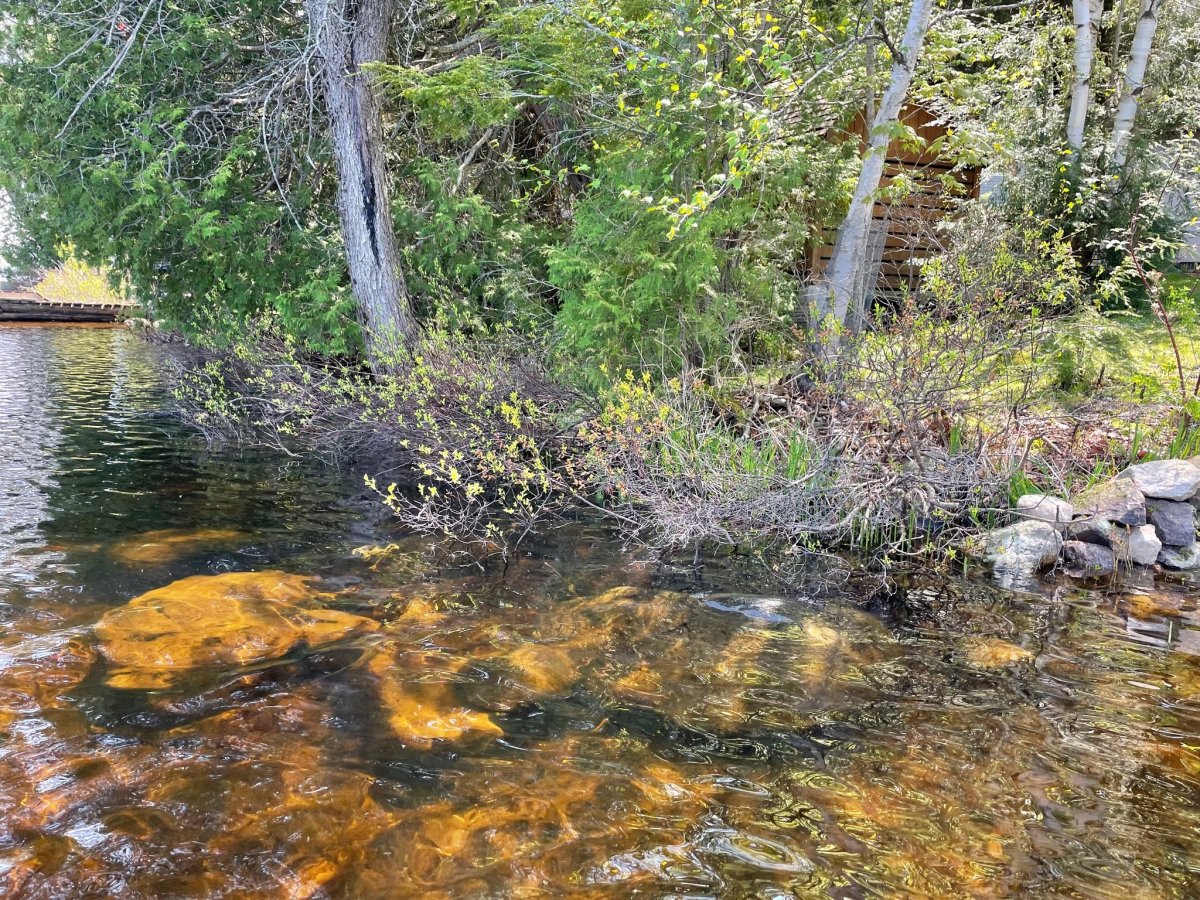
include Natural shorelines in your gardening activities
to protect both lake health and pollinator habitat
Shoreline Care Tips
- Limit mowing near the water’s edge
- Maintain or restore a natural buffer of native vegetation
- Avoid pesticides and herbicides near the lake
- Leave some areas undisturbed for nesting and overwintering
- Delay cutting back plants until spring
Best Shoreline Plants
- Swamp milkweed
- Blue flag iris
- Joe-Pye weed
- Blue vervain
- Cardinal flower
- Buttonbush